 Trending
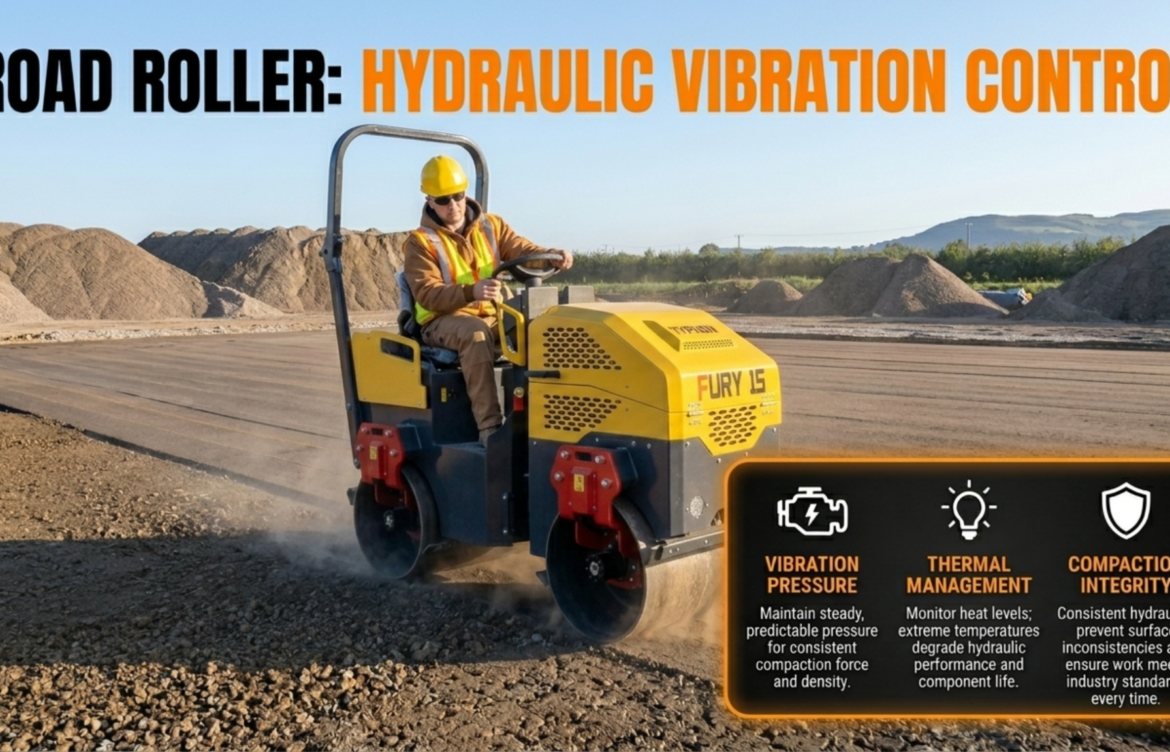
Road Roller Hydraulic Systems
Road Roller Hydraulic Systems: Monitoring Pressure for Consistent Vibration
Pressing loose material into a dense, stable surface that lasts for years is a difficult task that earns a road roller’s salary. The machine’s hydraulic system, which depends on constant, predictable pressure to function, is solely responsible for the vibration that enables this. When the pressure remains at the proper level, the drum consistently applies compaction force, your density measurements are accurate, and the final surface functions and looks as it should. The quality of your job deteriorates as the pressure fluctuates, decreases, or increases in ways that might not become apparent until an inspection is unsuccessful or a repair bill is received. That is why monitoring hydraulic pressure is not an optional habit for serious operators. It is a core part of running the machine well. The encouraging news is that keeping an eye on your pressure does not require advanced training or special tools beyond the gauges already on the machine. It comes down to understanding what the readings mean and building the discipline to check them regularly. This guide walks through five key areas of road roller hydraulics, from how vibration pressure is generated to how heat affects performance, so you can keep your machine delivering the steady, reliable compaction your projects demand. Treat these principles as part of your daily operating routine, and you will catch small problems early, protect expensive components, and produce work that meets the standard every time.
1. How Vibration Pressure Works
The shaking you feel from a vibratory roller is not magic; it is the direct result of hydraulic power driving a set of eccentric weights inside the drum. The hydraulic system sends pressurized oil to a motor that spins these off-center weights at high speed, and that rapid spinning creates the rhythmic vibration that presses material into a dense, compacted layer. The faster and more consistently the weights spin, the more effectively the drum settles the aggregate beneath it. Because every bit of that vibration traces back to hydraulic pressure, the pressure feeding the system determines how well the entire compaction process performs.
Here is how the key pieces work together to create vibration:
- Hydraulic pump generates the pressurized oil flow that powers the whole vibration system.
- The drive motor converts that pressurized oil into the rotation needed to spin the weights.
- Eccentric weights sit off-center inside the drum and create vibration as they rotate.
- Pressure gauges show you whether the system is receiving the power it needs to perform.
Checking your pressure regularly is what confirms the machine is actually receiving the right amount of power to maintain steady vibration. A gauge reading within the proper range tells you the pump, motor, and weights are working in harmony to deliver the consistent shaking a smooth road requires. A reading that drifts outside that range is an early signal that something in the chain is not performing as it should. Making pressure checks a routine part of operating the roller gives you a clear window into the health of the vibration system before any compaction quality issues appear. Understanding this connection between pressure and vibration is the foundation for everything else, because once you know that pressure drives the shaking, monitoring it becomes an obvious and essential habit.
2. Why Pressure Loss Ruins Your Work
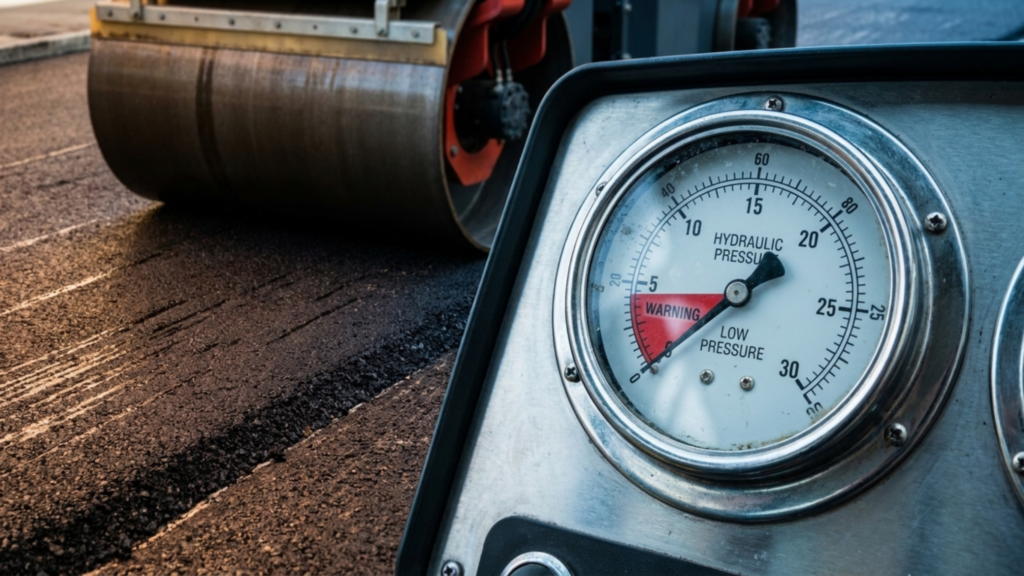
A drop in hydraulic pressure has an immediate and damaging effect on compaction quality, even when everything else about the machine seems fine. When pressure falls, the eccentric weights cannot spin at the correct speed, and the drum loses the force it needs to press material down properly. Instead of driving the aggregate into a tight, dense layer, a weakened drum tends to bounce across the surface, skipping over the material rather than compacting it. That bouncing leaves you with uneven density, soft spots, and a surface that looks finished but fails to meet specification once it is tested. The work may appear complete to the eye while falling well short of the standard underneath.
Pressure loss creates a chain of problems that affect both your results and your equipment:
- Drum bouncing replaces firm pressing, leaving the surface poorly compacted.
- Inconsistent density produces weak spots that compromise the strength of the finished road.
- Failed density inspections mean rework, lost time, and added cost on the project.
- Hidden pump failure often reveals itself first through a steady decline in pressure readings.
Monitoring your pressure closely is what allows you to catch these issues before they ruin a section of work. A gauge that shows pressure slipping over time points you toward a weak spot in the system or a pump that is beginning to fail, giving you the chance to address it before the compaction itself goes bad. Catching a failing pump early is far cheaper than replacing one that has been run to destruction, and identifying weak compaction before an inspection saves you from tearing out and redoing finished work. By treating a drop in pressure as a serious warning rather than a minor annoyance, you protect both the quality of your road and the reliability of your machine.
3. Setting the Right Vibration Strength
Getting compaction right means applying the correct amount of force for the material you are working with, and hydraulic pressure sets the ceiling on how much force the machine can actually deliver. You can adjust your vibration settings all you want, but the machine will only perform as well as the hydraulic pressure allows. If the pressure cannot support the setting you have chosen, you will not get the compaction force you expect, no matter what the controls indicate. This is why keeping an eye on your pressure gauges matters so much when dialing in vibration strength. The gauges tell you whether the system can truly deliver the force your material requires.
Watching your pressure helps you apply exactly the right amount of compaction force:
- Match force to material so dense, heavy mixes get the power they need and lighter lifts are not overworked.
- Confirm settings are supported by checking that pressure can actually deliver the force you select.
- Avoid crushing aggregate by recognizing when excessive force begins to fracture the stones inside the mix.
- Maintain consistent results across the full job by holding pressure steady throughout each pass.
The balance here is important because both too little and too much force cause problems. Insufficient pressure leaves the material loosely packed and prone to failure, while excessive force can break the aggregate inside the mix, weakening the very structure you are trying to build. Crushed stones reduce the long-term strength and durability of the surface, undoing the purpose of compaction in the first place. By monitoring your gauges as you work, you can confirm that you are applying enough force to pack the material firmly without pushing so hard that you damage the aggregate. This careful attention to pressure lets you compact each material correctly, producing a surface that is both dense and structurally sound rather than one that is merely flattened.
4. Spotting Problems with Pressure Spikes
Steady pressure readings are a sign of a healthy hydraulic system, so when the gauge starts jumping around unexpectedly, it is telling you something is wrong. Erratic readings, often called pressure spikes, usually mean that dirt, debris, or other contamination has worked its way into the system and is interfering with the valves. As that debris partially blocks or sticks the valves, the pressure surges and drops in an unpredictable pattern that shows up clearly on the gauge. Learning to recognize this behavior gives you an early warning that lets you act before the contamination causes serious, expensive damage to the machine.
Watch for these signs and respond to pressure spikes promptly:
- Erratic gauge movement that jumps or fluctuates is a primary indicator of contamination.
- Sticking or blocked valves caused by debris disrupt the smooth flow of hydraulic oil.
- Filter changes clear contaminants from the system and restore steady pressure.
- System cleaning removes built-up debris before it reaches and damages critical components.
The value of noticing these spikes early cannot be overstated. Contamination that is caught quickly can often be resolved with a simple filter change and a thorough cleaning of the system, both of which are inexpensive and straightforward. Left unchecked, that same debris circulates through the hydraulic system, grinding against pumps, motors, and valves until something fails. A failed pump or motor pulls the machine off the job and brings a repair bill far larger than the cost of routine filter maintenance. By treating unexpected pressure spikes as a clear call to inspect and service the system, you turn a potential major breakdown into a minor maintenance task. Paying attention to how your gauge behaves, and acting the moment it starts misbehaving, keeps your hydraulics clean and your machine running reliably.
5. Keeping the Oil Cool for Steady Power
Temperature has a direct effect on hydraulic performance, and overheated oil is a common cause of inconsistent vibration that operators sometimes overlook. Hydraulic oil is designed to work within a specific temperature range, and when it gets too hot, it thins out and loses its ability to hold pressure. As the oil becomes thinner, it slips past seals and internal clearances more easily, which means the system can no longer maintain the pressure needed to spin the eccentric weights at a steady speed. The result is vibration that fades or fluctuates, leading to compaction that is uneven and unreliable even though nothing appears mechanically broken.
Keep your oil at the right temperature by monitoring these factors together:
- Oil temperature that climbs too high causes the fluid to thin and lose pressure.
- Pressure readings that drop as temperature rises point directly to overheating.
- Scheduled breaks give the system time to cool during long or demanding runs.
- Cooling system service keeps the oil within its proper operating range over the long term.
The smartest approach is to watch your pressure and temperature gauges together, since the relationship between them tells you exactly what is happening inside the machine. When you see pressure starting to slip as the temperature climbs, that pairing is a clear sign the oil is overheating and the system needs relief. Sometimes the right response is simply to pause and let the machine cool down before continuing. Other times, persistent overheating signals that the cooling system needs attention, whether that means cleaning a clogged cooler, checking the fan, or servicing the fluid itself. By treating temperature as part of your regular monitoring rather than an afterthought, you keep the oil thick enough to hold pressure and the drum vibrating consistently. This attention to heat protects both the quality of your compaction and the long-term health of the entire hydraulic system.
Conclusion
One of the most dependable practices you can incorporate into your business is monitoring the hydraulic pressure, which is necessary for continuous compaction. Every one of the five topics discussed here relates to that straightforward reality. You can see why pressure is important in the first place by comprehending how hydraulic power moves the eccentric weights. Understanding the harm caused by pressure loss enables you to identify weak compaction and malfunctioning pumps before an inspection does. You can apply the proper force without crushing the aggregate by keeping an eye on your gauges while you adjust the vibration strength. By identifying irregular pressure spikes, you can remove contaminants before costly components are destroyed. And keeping the oil cool protects the steady pressure your drum needs to vibrate reliably all day long. None of these practices demand special expertise or equipment beyond the gauges already in front of you. They simply require the discipline to check your readings regularly and the knowledge to understand what those readings mean. The payoff is substantial: stronger, more uniform compaction, fewer failed inspections, lower repair costs, and a machine that runs dependably for years. Make pressure and temperature monitoring a standard part of how you operate your road roller, and you will produce the kind of consistent, high-quality work that defines a true professional. Treat your hydraulic system with this steady attention, and it will keep delivering the reliable vibration your projects depend on.