 Trending
The Complete Guide to Road Rollers
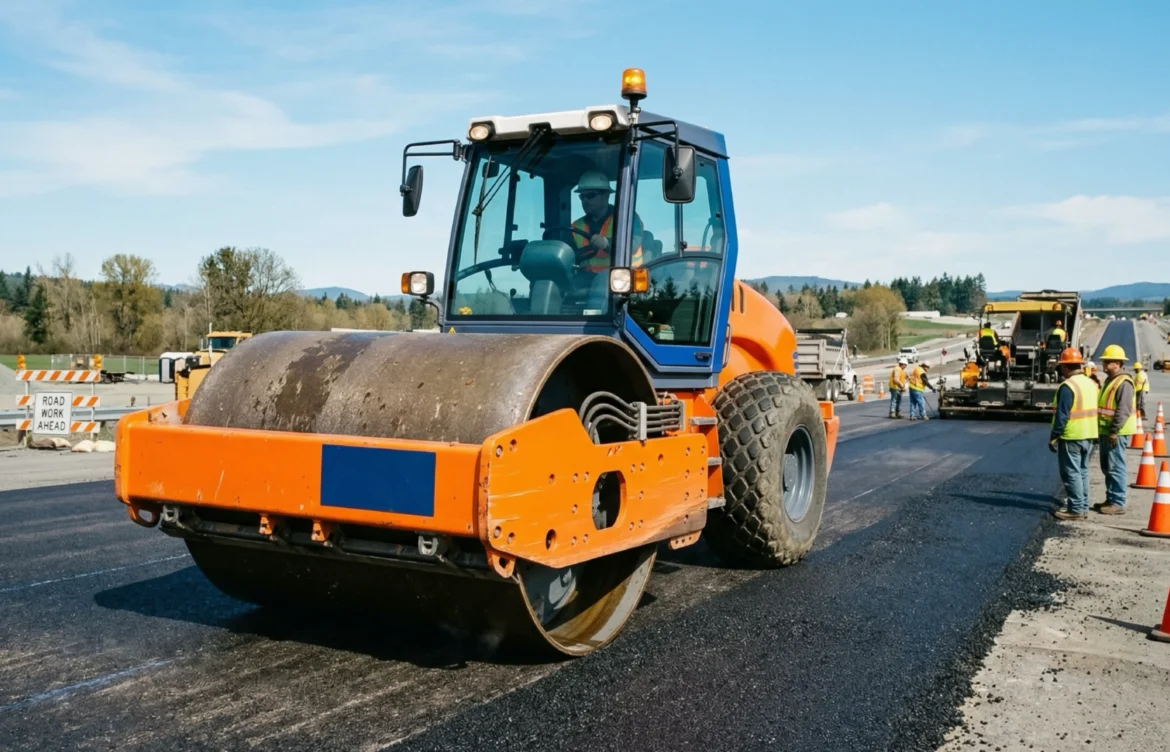
Road rollers are among the most essential machines in modern construction. Whether building highways, compacting soil, or preparing foundations, road rollers play a critical role in creating strong and stable surfaces. Without proper compaction, roads, buildings, and other structures would quickly develop cracks, uneven surfaces, or structural failures.
In this comprehensive guide, we explore what road rollers are, how they work, their different types, applications, advantages, and the latest innovations shaping the future of compaction equipment.
What Is a Road Roller?
A road roller, also known as a compactor roller, is a heavy construction machine designed to compress and compact materials such as soil, gravel, asphalt, and sand. Compaction removes air pockets from materials, increasing density and stability, which results in stronger and longer-lasting surfaces.
Road rollers are commonly used in:
- Road construction
- Highway maintenance
- Airport runway construction
- Parking lot development
- Foundation preparation
- Landscaping projects
The main goal of a road roller is to ensure that surfaces are smooth, stable, and capable of supporting heavy loads over time.
How Road Rollers Work
Road rollers operate using the principle of weight and vibration to compact materials. The heavy drum or tires press down on the material surface, reducing air gaps and increasing density.
There are typically two compaction methods:
Static Compaction
Static compaction relies on the weight of the roller to compress materials. Heavier rollers apply more pressure, making them effective for compacting thicker layers of material.
This method is commonly used for:
- Soil compaction
- Base layers
- Asphalt finishing
Static rollers are simple to operate and are often used in smaller projects or finishing tasks.
Vibratory Compaction
Vibratory compaction uses a vibrating mechanism inside the drum to create repeated impacts. These vibrations help particles settle more tightly together, improving compaction efficiency.
This method is commonly used for:
- Gravel
- Sand
- Asphalt
- Large-scale road construction
Vibratory rollers are more efficient than static rollers and can compact deeper layers with fewer passes.
Types of Road Rollers
There are several types of road rollers, each designed for specific construction needs. Choosing the right type depends on the material, project size, and required compaction level.
1. Smooth Drum Rollers
Smooth drum rollers are the most common type of road roller. They feature a large steel drum at the front and tires at the rear.
Key Features:
- Smooth steel drum
- High compaction force
- Suitable for asphalt and soil
- Available in single drum or double drum models
Applications:
Smooth drum rollers are widely used for:
- Asphalt compaction
- Highway construction
- Parking lot construction
- Foundation work
They are ideal for creating flat, even surfaces.
2. Pneumatic Rollers
Pneumatic rollers use multiple rubber tires instead of steel drums. The tires create uniform pressure across the surface.
Key Features:
- Multiple rubber tires
- Flexible pressure distribution
- Good sealing performance
Applications:
Pneumatic rollers are commonly used for:
- Asphalt finishing
- Road sealing
- Surface smoothing
- Layer bonding
They help improve surface quality and reduce air voids in asphalt layers.
3. Padfoot Rollers (Sheepsfoot Rollers)
Padfoot rollers have drums covered with raised pads or knobs. These pads penetrate deeper into soil layers.
Key Features:
- Knobbed drum surface
- High compaction depth
- Ideal for cohesive soils
Applications:
Padfoot rollers are used for:
- Clay compaction
- Embankment construction
- Dam construction
- Landfill projects
They are especially effective in compacting wet or sticky soils.
4. Combination Rollers
Combination rollers feature both steel drums and rubber tires. This design provides the benefits of both smooth drum and pneumatic rollers.
Key Features:
- Dual compaction system
- Improved surface finish
- Versatile performance
Applications:
Combination rollers are commonly used for:
- Asphalt compaction
- Road finishing
- Urban construction
They are popular in projects that require both strong compaction and smooth finishing.
5. Grid Rollers
Grid rollers have a steel drum with a grid-like surface. They are designed to crush and compact coarse materials.
Key Features:
- Open grid drum
- Strong crushing ability
- Suitable for rough materials
Applications:
Grid rollers are used for:
- Gravel compaction
- Rock crushing
- Subgrade preparation
They are commonly used in heavy-duty construction environments.
Key Applications of Road Rollers
Road rollers are used in a wide range of industries and projects. Their versatility makes them essential in many construction environments.
Road Construction
Road rollers are most commonly associated with road construction. They compact asphalt layers to ensure smooth and durable roads.
Proper compaction prevents:
- Cracks
- Surface deformation
- Water penetration
- Premature wear
This improves road safety and extends service life.
Foundation Preparation
Before constructing buildings, foundations must be compacted properly. Road rollers compress soil to create stable ground that can support heavy structures.
Poor foundation compaction can lead to:
- Structural settlement
- Cracks in walls
- Uneven floors
Using the right roller ensures long-term stability.
Airport Runway Construction
Airport runways require extremely high levels of compaction. Road rollers help create strong surfaces capable of supporting aircraft weight.
Smooth and stable runways are essential for:
- Safe aircraft takeoff
- Landing performance
- Reduced maintenance costs
Landscaping and Urban Development
Road rollers are also used in landscaping projects such as:
- Park pathways
- Sidewalk construction
- Sports field preparation
Smaller rollers are often used in tight spaces or residential areas.
Dam and Embankment Construction
Padfoot rollers are commonly used in dam construction and embankment projects. They compact cohesive soils to create strong and stable structures.
Proper compaction prevents:
- Soil erosion
- Structural failure
- Water leakage
Benefits of Using Road Rollers
Road rollers provide many advantages that improve construction quality and efficiency.
Improved Surface Strength
Compaction increases material density, resulting in stronger surfaces. This prevents early damage and extends the lifespan of roads and structures.
Strong surfaces reduce:
- Maintenance costs
- Repair frequency
- Project downtime
Increased Project Efficiency
Modern road rollers can compact large areas quickly. This reduces construction time and improves productivity.
Efficiency benefits include:
- Faster project completion
- Reduced labor costs
- Lower fuel consumption
Enhanced Safety
Properly compacted surfaces reduce risks associated with uneven ground or structural failure.
Safety improvements include:
- Reduced accidents
- Improved vehicle performance
- Better load support
Cost Savings
Although road rollers require significant initial investment, they provide long-term savings by reducing repair and maintenance needs.
Cost-saving advantages include:
- Extended surface lifespan
- Reduced material waste
- Lower operational costs
Factors to Consider When Choosing a Road Roller
Selecting the right road roller is critical for achieving optimal results.
Material Type
Different materials require different compaction methods.
For example:
- Soil → Padfoot roller
- Asphalt → Smooth drum roller
- Gravel → Vibratory roller
Understanding material properties helps ensure proper compaction.
Project Size
Large-scale projects require heavy rollers, while smaller projects benefit from compact models.
Mini road rollers are ideal for:
- Sidewalks
- Residential areas
- Landscaping projects
Heavy-duty rollers are suitable for highways and large construction sites.
Compaction Depth
The depth of compaction depends on drum weight and vibration strength.
Thicker layers require:
- Heavier machines
- Strong vibration systems
Proper depth ensures stable results.
Maneuverability
Some projects require equipment that can operate in tight spaces.
Compact rollers offer:
- Easy maneuvering
- Flexible operation
- Reduced turning radius
Maintenance Tips for Road Rollers
Regular maintenance is essential for keeping road rollers in good working condition.
Inspect the Drum
Check for:
- Cracks
- Wear
- Material buildup
Cleaning the drum prevents uneven compaction.
Monitor Hydraulic Systems
Hydraulic systems control vibration and movement. Regular inspection prevents system failure.
Maintenance tasks include:
- Checking fluid levels
- Replacing worn hoses
- Inspecting seals
Lubricate Moving Parts
Lubrication reduces friction and prevents mechanical wear.
Key areas include:
- Bearings
- Joints
- Axles
Proper lubrication extends equipment lifespan.
Check Tire Pressure (For Pneumatic Rollers)
Correct tire pressure ensures even compaction and prevents uneven surfaces.
Regular checks improve performance and safety.
Modern Innovations in Road Roller Technology
Technology continues to improve road roller performance, efficiency, and sustainability.
Intelligent Compaction Systems
Modern rollers use sensors and GPS technology to monitor compaction levels in real time.
These systems provide:
- Accurate density measurement
- Reduced over-compaction
- Improved quality control
Operators can make adjustments instantly, improving efficiency.
Electric and Hybrid Road Rollers
Environmental concerns have led to the development of electric and hybrid road rollers.
Benefits include:
- Reduced emissions
- Lower noise levels
- Improved fuel efficiency
These machines are ideal for urban construction projects.
Remote-Controlled Rollers
Remote-controlled rollers improve safety in hazardous environments.
Operators can control the machine from a safe distance, reducing risks associated with:
- Landslides
- Hazardous materials
- Steep slopes
Automation and Smart Features
Advanced rollers include automated systems that:
- Adjust vibration levels
- Monitor fuel usage
- Track maintenance schedules
These features improve efficiency and reduce human error.
The Future of Road Rollers
The future of road rollers is focused on sustainability, automation, and improved efficiency.
Expected developments include:
- Fully autonomous rollers
- Enhanced fuel efficiency
- Advanced digital monitoring systems
- Lightweight yet powerful designs
As construction demands increase, road rollers will continue to evolve to meet modern infrastructure needs.
Conclusion
Road rollers are vital machines in construction and infrastructure development. Their ability to compact materials ensures strong, stable, and durable surfaces for roads, buildings, and other structures.
From smooth drum rollers to padfoot and pneumatic models, each type serves a specific purpose. Choosing the right roller, maintaining it properly, and using modern technology can significantly improve project efficiency and quality.
As the construction industry continues to grow, road rollers will remain an essential tool for building safe and reliable infrastructure. With ongoing technological advancements, these machines are becoming more efficient, environmentally friendly, and capable of meeting the demands of modern construction.