 Trending
New Road Roller Technology Improves Efficiency in Construction Projects
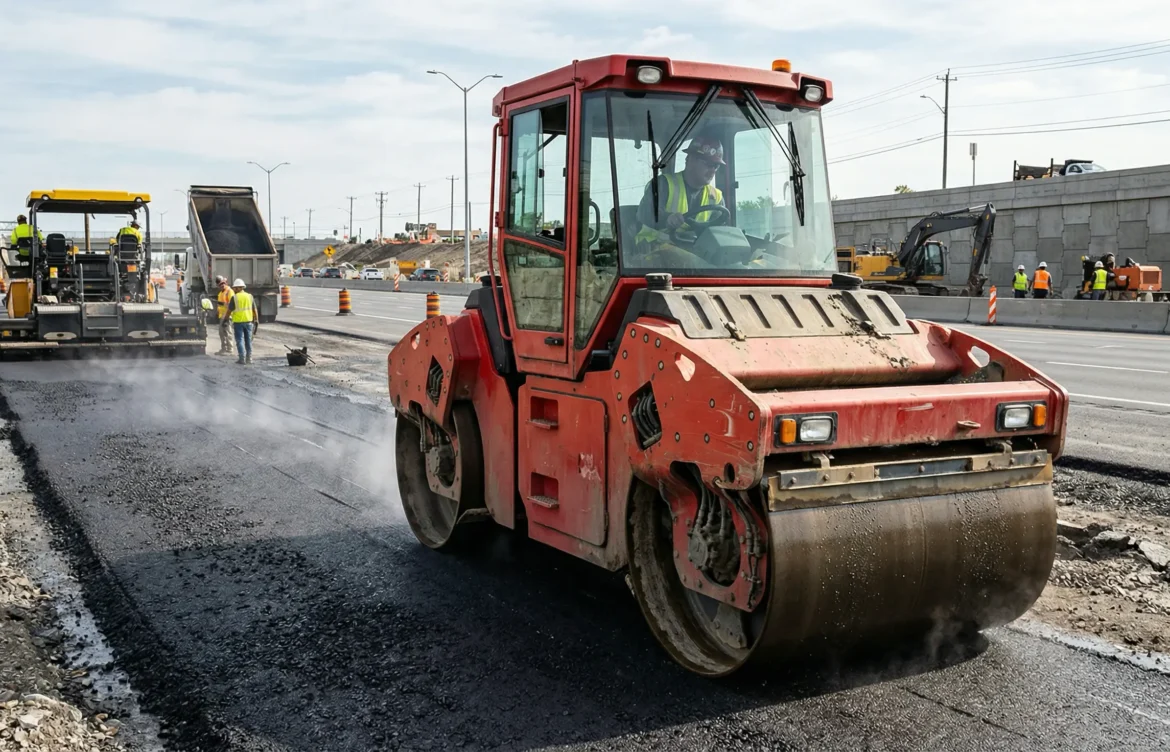
The construction industry is evolving rapidly as new technologies reshape the way roads, highways, and infrastructure are built. One of the most important machines in this transformation is the road roller. A road roller is a heavy construction vehicle designed to compact materials such as soil, gravel, asphalt, and concrete to create stable and durable surfaces.
In recent years, the development of modern road roller technology has significantly improved the speed, quality, and safety of construction projects. These advanced machines now include smart systems, fuel-efficient engines, and automated controls that help contractors complete projects more efficiently. As global infrastructure demand continues to grow, innovative road roller technology plays a key role in supporting faster and more reliable construction outcomes.
The Importance of Road Rollers in Modern Construction
Road rollers are essential machines used in nearly every type of construction project, including highways, airports, parking areas, and building foundations. Their main purpose is to compact materials to eliminate air gaps and increase density, ensuring the surface remains strong and stable over time.
Proper compaction is necessary because loose materials can cause cracks, sinking, or uneven surfaces in roads. When soil and asphalt are compacted correctly, the final structure becomes more durable and resistant to heavy loads and environmental conditions. Research shows that well-compacted surfaces can significantly reduce damage caused by moisture, traffic, and temperature changes.
In modern construction, road rollers are used at different stages of the project. For example, they prepare the soil foundation before paving begins and later compact asphalt layers to create smooth road surfaces. Without road rollers, achieving strong and long-lasting infrastructure would be extremely difficult.
Evolution of Road Roller Technology
The development of road rollers has progressed significantly over the past century. Early road rollers were pulled by animals and later powered by steam engines during the 19th century. These machines were heavy and difficult to operate but marked the beginning of mechanical compaction technology.
During the 20th century, internal combustion engines replaced steam power, making road rollers more efficient and easier to operate. This shift allowed machines to work longer hours and handle larger construction projects. The introduction of hydraulic systems further improved performance by providing better control and flexibility during operation.
One of the most important technological breakthroughs came with the development of vibratory systems. These systems use rotating weights inside the roller drum to create vibrations that compact materials more effectively than static weight alone. Modern vibratory rollers can achieve high compaction density levels, reducing the number of passes needed and improving productivity.
Today, road rollers are equipped with advanced digital systems and smart technologies that allow operators to monitor performance and adjust settings in real time. These innovations have transformed road rollers into highly efficient machines capable of meeting modern construction demands.
Key Features of New Road Roller Technology
Modern road roller technology includes several advanced features designed to improve efficiency and accuracy in construction projects. These features help operators achieve better results while reducing operational costs and time.
1. Intelligent Compaction Systems
One of the most significant innovations in road roller technology is intelligent compaction. This system uses sensors and GPS technology to measure compaction quality in real time. The roller automatically adjusts vibration levels and pressure based on soil conditions, ensuring uniform density across the surface.
Intelligent compaction systems also record data during operation, allowing engineers to analyze performance and maintain accurate quality records. This reduces the risk of weak spots in the road and improves long-term durability.
2. GPS and Digital Monitoring
GPS-based monitoring systems help operators track machine movement and coverage across the job site. These systems display information such as compaction levels, temperature, and number of passes completed. By providing real-time feedback, GPS technology helps prevent over-compaction and reduces wasted materials.
Digital monitoring also improves project planning because managers can review data and make adjustments when necessary. This leads to more efficient workflows and better use of resources.
3. Fuel-Efficient and Eco-Friendly Engines
Environmental concerns have encouraged manufacturers to design road rollers with fuel-efficient engines and reduced emissions. Modern machines use advanced engine technology to lower fuel consumption while maintaining high performance levels. In some cases, hybrid and electric road rollers are being introduced to reduce pollution on construction sites.
These eco-friendly designs help construction companies meet environmental regulations while reducing operating costs.
4. Advanced Hydraulic Systems
Hydraulic systems play a critical role in modern road rollers. They allow operators to control speed, vibration intensity, and steering with greater precision. Advanced hydraulic technology improves machine stability and ensures consistent performance even on uneven surfaces.
Improved hydraulic systems also reduce wear on mechanical components, resulting in lower maintenance costs and longer machine lifespan.
5. Improved Operator Comfort and Safety
New road rollers are designed with safety and comfort in mind. Many machines now include enclosed cabins with ergonomic seating, vibration reduction systems, and enhanced visibility. These features reduce operator fatigue and improve productivity during long working hours.
Safety technologies such as automatic braking systems, rollover protection structures (ROPS), and warning alarms help prevent accidents on busy construction sites.
Benefits of New Road Roller Technology
The introduction of advanced road roller technology provides numerous benefits for construction companies and project managers. These benefits directly contribute to improved efficiency and higher-quality results.
1. Faster Project Completion
Modern road rollers can compact materials more quickly than older models. Studies indicate that advanced compaction systems can increase productivity by reducing the number of passes needed to achieve the required density.
This allows construction teams to complete projects faster and meet tight deadlines more effectively.
2. Improved Surface Quality
New technology ensures uniform compaction, resulting in smoother and more durable road surfaces. Proper compaction reduces air gaps in materials, which helps prevent cracks and potholes from forming over time.
Improved surface quality also enhances driving safety and reduces long-term maintenance costs.
3. Reduced Operating Costs
Fuel-efficient engines and automated systems help reduce fuel consumption and material waste. Intelligent compaction technology also minimizes unnecessary machine passes, saving both time and money.
Lower maintenance requirements further reduce overall operating expenses.
4. Increased Durability of Infrastructure
Modern road rollers help achieve higher compaction density levels, which improves the strength and durability of roads. High-density compaction reduces the risk of structural failure and extends the lifespan of infrastructure projects.
This results in fewer repairs and better long-term performance.
Applications of Modern Road Rollers
New road roller technology is widely used across different construction sectors. These machines play a critical role in various types of infrastructure projects.
Highway Construction
Road rollers are essential for building highways and expressways. They compact the base layers and asphalt surfaces to create smooth and stable roads capable of handling heavy traffic loads.
Urban Road Development
In cities, road rollers are used to build streets, parking areas, and public transportation routes. Compact machines are especially useful in narrow spaces where maneuverability is required.
Airport Runways
Airport runways require extremely smooth and durable surfaces. Modern road rollers ensure precise compaction that meets strict aviation safety standards.
Foundation Preparation
Road rollers are also used to prepare the ground for buildings and bridges. Proper soil compaction prevents settling and structural damage after construction is completed.
Future Trends in Road Roller Technology
The future of road roller technology looks promising as manufacturers continue to develop smarter and more efficient machines. Several trends are expected to shape the industry in the coming years.
Autonomous Road Rollers
Automation is becoming more common in construction equipment. Future road rollers may operate with minimal human involvement, using artificial intelligence to control movement and compaction processes. Automated systems can improve accuracy and reduce labor requirements.
Electric and Hybrid Machines
As environmental regulations become stricter, electric and hybrid road rollers are expected to gain popularity. These machines produce fewer emissions and operate more quietly than traditional diesel-powered equipment.
Electric rollers are particularly useful in urban areas where noise and air pollution are major concerns.
Integration of Artificial Intelligence
Artificial intelligence (AI) technology is expected to enhance decision-making during construction projects. AI-powered systems can analyze soil conditions and automatically adjust machine settings to achieve optimal compaction results.
Lightweight Materials and Smart Design
Manufacturers are exploring new materials and designs to reduce machine weight while maintaining performance. Lightweight components improve fuel efficiency and make machines easier to transport between job sites.
Challenges in Adopting New Technology
Although new road roller technology offers many advantages, some challenges remain. The cost of advanced machines can be higher than traditional models, making it difficult for smaller companies to invest in new equipment.
Additionally, operators require training to understand and use advanced digital systems effectively. Without proper training, the full benefits of modern technology may not be achieved.
However, as technology becomes more widely available, costs are expected to decrease, making advanced road rollers more accessible to construction companies of all sizes.
Conclusion
New road roller technology is transforming the construction industry by improving efficiency, quality, and safety in infrastructure projects. Modern machines equipped with intelligent compaction systems, GPS tracking, and fuel-efficient engines allow contractors to complete projects faster and more accurately than ever before.
As technology continues to evolve, road rollers will play an increasingly important role in building durable roads and reliable infrastructure. The integration of automation, artificial intelligence, and eco-friendly systems will further enhance productivity while reducing environmental impact.
Overall, the future of construction depends heavily on the continued advancement of road roller technology. By adopting modern equipment and innovative solutions, construction companies can achieve higher efficiency, lower costs, and better long-term results in their projects.