 Trending
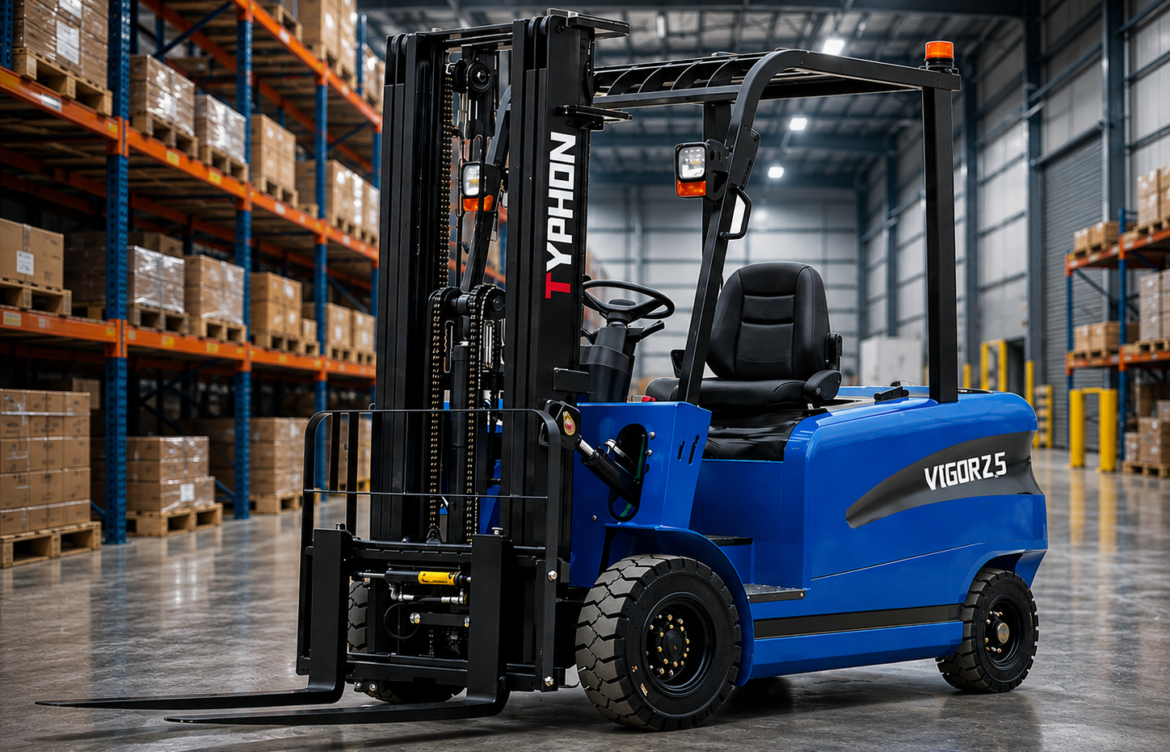
Electric Forklift Performance and Battery Technology
Why Electric Forklifts Are Becoming the Preferred Warehouse Solution
A warehouse manager walks the floor during a busy afternoon and spots the same three headaches he’s fought for years. Exhaust hangs near the packing line, the fuel invoice climbs another notch, and two pickers wave to get each other’s attention over the drone of propane engines. His combustion trucks move the pallets, sure, but they drag along a stack of costs and frustrations that never quite go away. When the corporation asks him to trial a single electric forklift on the fastest picking lane, the difference lands within a week. Clean air, a quiet aisle, and a charge that costs a fraction of a propane tank swap. One week of running the machine answers a question the whole industry has already started settling.
Electric forklifts are winning warehouse floors for solid, practical reasons rather than hype. They run cleaner, cost less to operate over time, work quieter, need less upkeep, and now match combustion machines on the performance that once held them back. Beyond those individual gains, rising industry adoption is building a support network around electric that only strengthens the case for switching. This post breaks down each of those reasons in plain terms, walks through the performance gap that has already closed, and explains the momentum pushing so many operations to make the move. Here is why the electric machine has become the default choice for indoor work.
Zero Emissions and Cleaner Air
Air quality is where the electric advantage shows up first, and it’s one that affects every person on the floor every single shift. An electric forklift produces no exhaust at the point of use, so it works a full day inside a sealed building without fouling the air your crew breathes. Combustion trucks, by contrast, push carbon monoxide and other harmful gases into enclosed space, which forces constant ventilation, monitoring, and often air-quality testing just to keep conditions safe enough to work in.
The impact of cleaner air reaches further than most managers initially expect. Workers breathing cleaner air all shift report less fatigue, fewer headaches, and sharper focus late in the day, all of which show up in productivity and error rates. Beyond the crew, the product itself benefits. Operations handling food, pharmaceuticals, electronics, or any goods sensitive to contamination lean heavily toward electric for exactly this reason, since a machine that generates no fumes removes a hazard entirely rather than managing it around the edges.
Compliance also gets simpler. Meeting indoor air-quality requirements is genuinely easier when the equipment running on your floor produces no tailpipe emissions, and that simplicity extends to regulatory inspections, insurance reviews, and facility certifications. For a warehouse manager already juggling a hundred operational details, removing one persistent concern from the list is worth something real.
Lower Operating Costs Over Time
Cost is the number most managers track closest, and this is where an electric forklift earns back its higher purchase price. The upfront gap between an electric and a comparable combustion machine is real, but it closes steadily once the machine starts working. Charging a battery generally runs far cheaper than buying propane or diesel, and electricity prices tend to hold steadier than fuel costs that swing with the commodity market and supply chain pressures.
Think about what that looks like across a full year. A warehouse running two or three combustion forklifts through a busy single shift can easily spend thousands of dollars annually on propane alone. Replace those machines with electric units, and that same energy now comes from charging stations at a fraction of the cost. Multiply that saving across multiple trucks and multiple years, and the math starts favoring electric decisively.
Fuel savings are only part of the picture. Fewer moving parts in an electric drivetrain mean fewer components wearing out and needing replacement. No engine oil to change, no fuel injectors to service, no exhaust system to maintain. Scheduled service intervals get lighter, and unplanned breakdowns drop because there are simply fewer mechanical systems that can fail. For most single-shift or predictable indoor operations, the long-term cost picture tilts electric firmly in the first two to three years of ownership.
Quieter Operation on the Floor
Noise wears on a crew in ways that are easy to overlook when you spend your day on a loud floor. Combustion engines run loud, and a busy warehouse packed with several of them turns a full shift into a sustained wall of noise that strains communication, masks safety signals, and grinds down hearing and concentration alike. Workers shout instead of talking, miss backup alarms, and end the day more fatigued than the physical work alone would explain.
An electric forklift runs quietly, and that quiet changes the whole feel of the operation almost from the moment the switch happens. Managers who make the move often describe the floor as noticeably calmer, not silent, but controlled in a way that combustion floors never are. That difference has direct consequences for safety and output.
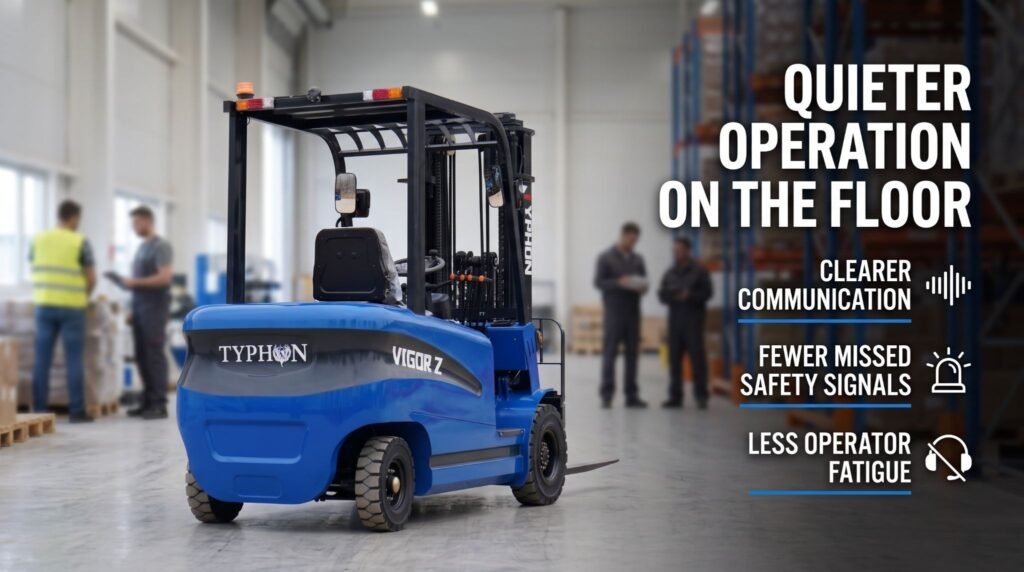
When operators can clearly hear spotters, backup alarms, and one another without shouting, coordination improves and the kind of mistakes that happen because someone missed a signal drop sharply. Less constant noise also cuts operator fatigue, so the person in the seat is sharper and more attentive three hours into a shift than they would be on a louder machine. For operations running several trucks in the same space, that quieter floor pays off on every single shift, and it shows up in both safety records and productivity numbers over time.
Reduced Maintenance Demands
Upkeep looks entirely different once you go electric, and for most operations that difference translates directly into less downtime and lower service costs. A combustion forklift carries all the maintenance an internal combustion engine requires: regular oil changes, fuel and air filters, belts and hoses, spark plugs or injectors depending on the fuel type, and an exhaust system that wears and corrodes over time. Each of those items is a scheduled cost and a potential source of unexpected downtime.
Pull the engine out of the equation and most of that maintenance disappears with it. An electric truck runs on a motor, a battery, and a set of drive components that are far simpler to maintain and far less likely to strand a crew mid-shift. The battery does need proper care, correct charging cycles, occasional watering on flooded lead-acid types, and eventual replacement after years of service, but day-to-day upkeep is genuinely lighter than anything a combustion machine demands.
Less time in the shop means more hours moving pallets, and a fleet that spends fewer days waiting on parts or service is a meaningful competitive advantage in a busy distribution environment. For a manager who has dealt with an engine failure on a peak-volume day, the reliability that comes with a simpler drivetrain is not a minor benefit. It is one of the strongest practical arguments for making the switch.
Performance That Now Matches Combustion
Early concerns about electric forklift performance were fair, and for a long time some of those concerns were well founded. Older battery technology limited runtime, recovery charging took too long, and the machines simply weren’t well matched to heavy or continuous demand. That landscape has changed significantly, and for most indoor warehouse work, the performance gap has closed.
Modern electric forklifts offer smooth, precise acceleration and excellent control in tight aisles, which many operators actually prefer over the sometimes jerky response of older combustion units. Precise handling matters when you’re placing pallets on high rack beams with narrow margin for error, or threading a loaded machine through a busy aisle at pace. Clean floors, narrow lanes, and close quarters reward the control characteristics electric machines deliver naturally.
Battery technology has advanced enough that runtime concerns, while still real for certain applications, are manageable for the large majority of warehouse operations. Lithium-ion batteries charge faster, hold capacity better, and last longer than earlier generations. Fast-charge infrastructure and battery-swap programs allow multi-shift operations to keep electric trucks running across the full working day without gaps. The one honest limit remains very heavy, continuous demand where a machine truly never stops, but even there, careful planning around opportunity charging during breaks and shift transitions keeps many operations running smoothly on electric power.
Rising Industry Adoption
Momentum matters in equipment markets, and the direction here is clear. Warehouses across nearly every sector, from food distribution and e-commerce fulfillment to cold storage and manufacturing support, are shifting toward electric fleets at an accelerating pace. Tightening indoor emissions regulations, corporate sustainability commitments, and the straightforward cost and operational advantages outlined above are all pushing in the same direction at once.
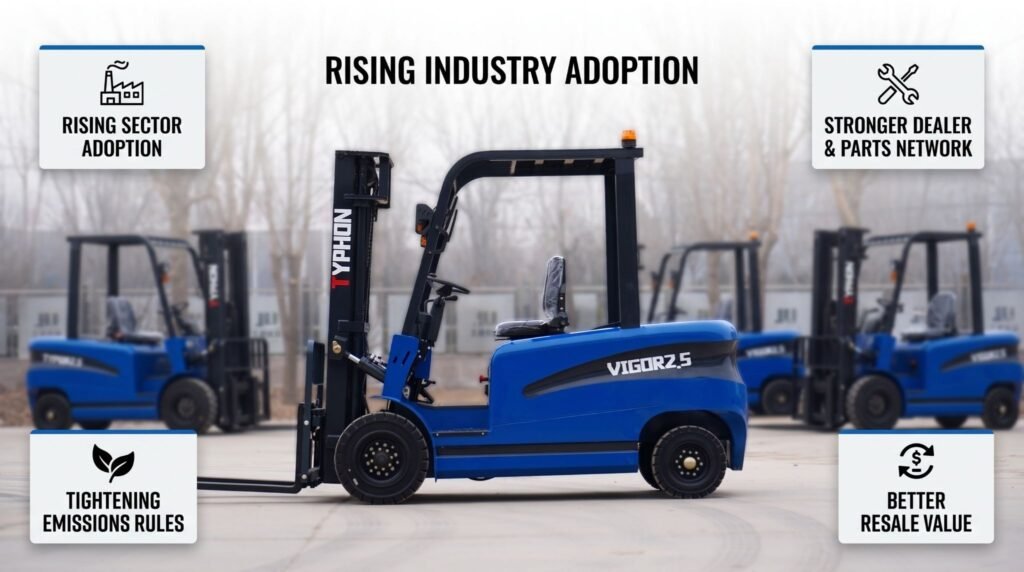
When a technology reaches a certain adoption threshold, the whole ecosystem around it strengthens. More manufacturers competing on electric means more model options at a wider range of price points, which means buyers have genuine choices rather than settling for whatever is available. Dealer networks deepen, parts become more available and affordable, and service technicians who know the equipment become easier to find. Each of those improvements compounds the advantage of choosing electric.
Resale value is shifting the same way. As electric becomes the standard expected machine on used equipment lots, combustion forklifts are beginning to face steeper depreciation, while well-maintained electric units hold their value more reliably. A manager who buys electric today is not just purchasing a better-performing machine for the current operation. That manager is also protecting the asset’s future value by aligning with where the market is clearly headed. For anyone planning a fleet over the next five to ten years, choosing electric is increasingly the lower-risk decision.
Conclusion
Electric forklifts have become the preferred warehouse solution because they win on the things that shape an indoor operation every working day. Zero emissions protect the air in enclosed spaces and safeguard both crew health and product integrity. Lower charging and maintenance costs close the upfront price gap steadily and keep on saving for years afterward. Quieter operation makes the floor safer and less fatiguing, fewer mechanical parts mean fewer breakdowns and lighter service demands, and modern battery technology has brought electric performance up to meet combustion machines on most indoor applications. Rising industry adoption is now adding stronger support networks, better model selection, and improving resale value to an already compelling case. Weigh your run hours, shift patterns, load weights, and building conditions honestly against your current fleet, and the argument for switching usually becomes clear fast. When you are ready to put a dependable electric forklift to work, reach out to a trusted equipment specialist who can pair a reliable machine with the results your operation depends on.
Frequently Asked Questions
Why are electric forklifts becoming the preferred warehouse choice?
They run with zero emissions and far less noise, cost less to charge and maintain than combustion trucks, and now match those machines on indoor performance, so warehouses gain cleaner air, lower long-term operating cost, and safer floors all at once.
Are electric forklifts cheaper to run than propane or diesel ones?
Usually, yes. Charging generally costs far less than fuel, and fewer moving parts mean lower maintenance bills, so for steady indoor use an electric truck often recoups its higher upfront price within a few years and keeps saving well beyond that.
Can an electric forklift keep up with a busy multi-shift warehouse?
For most indoor work, it can. Lithium-ion batteries, fast-charge infrastructure, and battery-swap programs now support demanding multi-shift operations, and opportunity charging during breaks and shift transitions keeps trucks running, though very heavy continuous demand still calls for careful planning around battery management.