 Trending
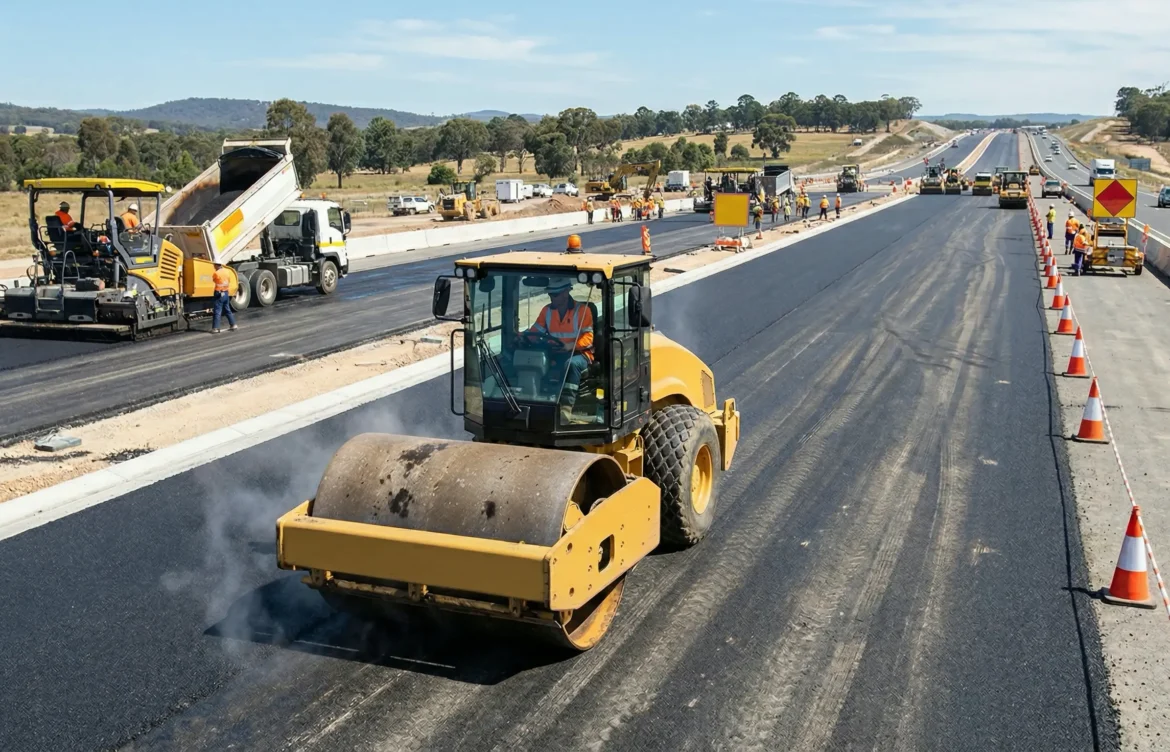
Highway and Road Construction: The Essential Role of Road Rollers
Highway and road construction is one of the most important parts of modern infrastructure development. Roads connect cities, support transportation, and enable economic growth. Whether it is a busy highway, a rural road, or an urban street, the quality of construction directly affects safety, durability, and long-term performance.
One of the most essential machines used in highway and road construction is the road roller. Road rollers are designed to compact materials such as soil, gravel, sand, and asphalt. Proper compaction is necessary to ensure that roads remain smooth, durable, and safe for vehicles over many years.
Without effective compaction, road surfaces can become weak and unstable. This may lead to cracks, potholes, uneven surfaces, and costly repairs. Road rollers help prevent these problems by creating strong, compact layers that form the foundation of a reliable road structure.
In this article, we will explore the important role of road rollers in highway and road construction, the stages where they are used, and the benefits they provide in creating long-lasting road surfaces.
Why Compaction is Important in Road Construction
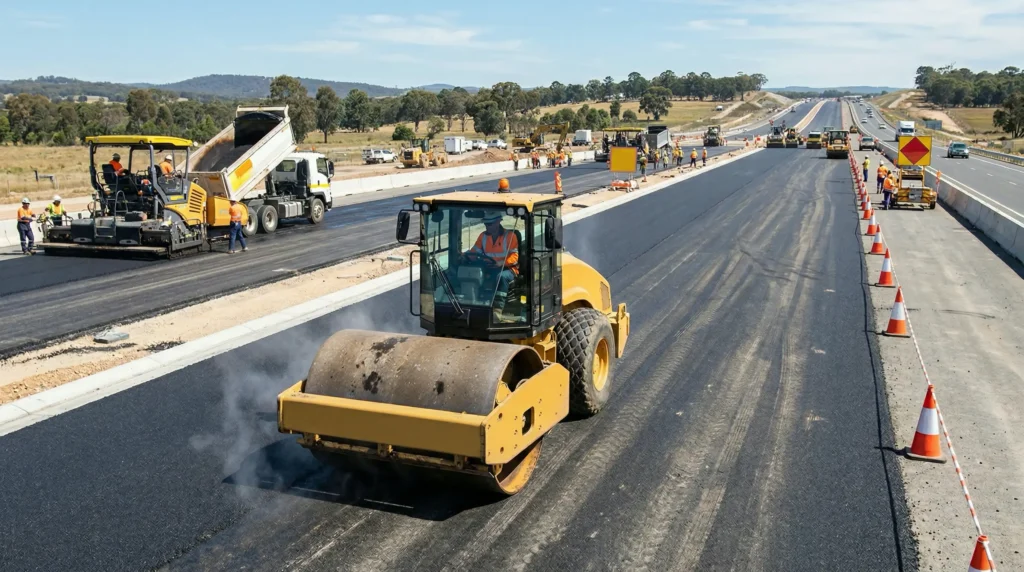
Compaction is one of the most critical steps in highway and road construction. It involves pressing materials together to remove air pockets and increase density. This process strengthens the material and improves its ability to support heavy traffic loads.
When materials are not properly compacted, several problems can occur. Loose materials can shift under pressure, causing the road surface to crack or sink. Water may enter gaps between materials, leading to erosion and weakening of the road structure.
Road rollers play a key role in preventing these issues. By applying consistent pressure and vibration, they ensure that each layer of material becomes tightly packed and stable.
Proper compaction provides several important benefits:
- Increases the strength of the road foundation
- Reduces the risk of cracks and potholes
- Improves resistance to water damage
- Extends the lifespan of the road
- Enhances driving comfort and safety
Without proper compaction, even the best materials may fail to perform as expected.

Stages of Highway and Road Construction Using Road Rollers
Road rollers are used throughout multiple stages of highway and road construction. Each stage requires careful compaction to ensure the road remains strong and stable.
1. Compacting the Base Layer Before Paving
The base layer is the foundation of the road. It is typically made from materials such as crushed stone, gravel, or soil. This layer supports the upper layers of asphalt or concrete.
Before paving begins, the base layer must be compacted thoroughly. Road rollers apply heavy pressure to compress the materials and remove air gaps. This creates a firm surface that can support the weight of vehicles and additional construction layers.
If the base layer is not properly compacted, the entire road structure may become unstable. Over time, this can lead to uneven surfaces and structural damage.
2. Smoothing Asphalt Surfaces
Once the base layer is prepared, asphalt is laid on top to create the driving surface. Road rollers are used immediately after asphalt placement to smooth the surface and achieve the desired shape.
This stage requires precision and timing. Asphalt must be compacted while it is still hot and flexible. Road rollers move across the surface to spread and compress the asphalt evenly.
Proper smoothing ensures:
- Even road surfaces
- Comfortable driving conditions
- Reduced tire wear
- Improved water drainage
A smooth asphalt surface also enhances the overall appearance of the road.
3. Removing Air Gaps Between Materials
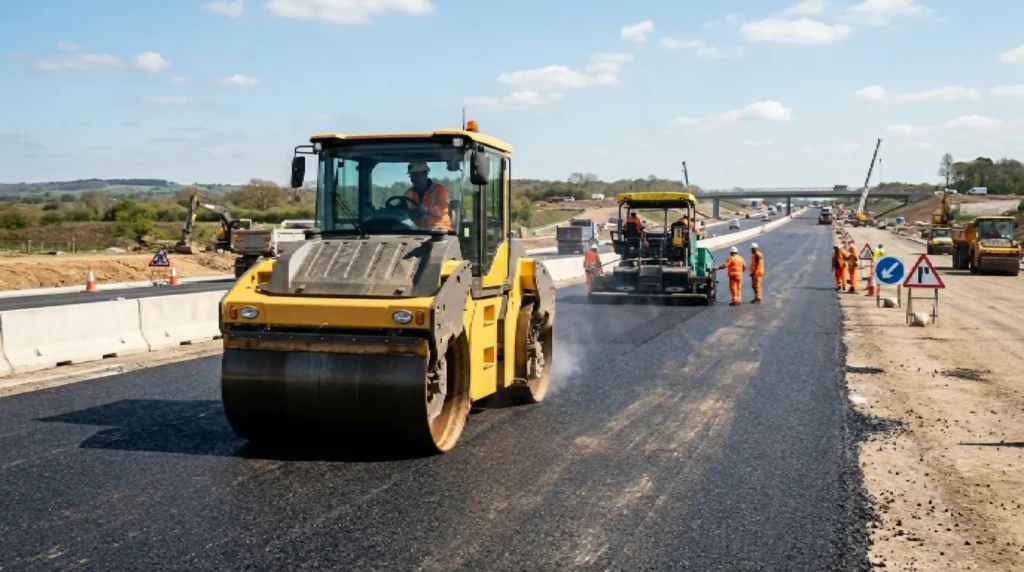
Air gaps within road layers can weaken the structure. These gaps allow water to enter, which may lead to erosion and long-term damage.
Road rollers use vibration technology to remove air pockets between materials. Vibratory rollers create strong downward force that helps particles settle closely together.
Removing air gaps results in:
- Higher material density
- Improved load-bearing capacity
- Reduced risk of structural failure
- Increased durability
This process is especially important in areas with heavy rainfall or extreme weather conditions.
4. Improving Road Strength and Durability
Road rollers contribute significantly to improving the overall strength of roads. Each compacted layer becomes more resistant to pressure from vehicles, including heavy trucks and machinery.
Strong compaction helps roads withstand:
- Heavy traffic loads
- Temperature changes
- Rain and moisture
- Long-term wear and tear
By strengthening the road structure, road rollers reduce the need for frequent maintenance and repairs.
Types of Road Rollers Used in Highway Construction
Different types of road rollers are used depending on the stage of construction and material type. Each roller is designed for specific tasks.
Smooth Drum Rollers
Smooth drum rollers are commonly used for compacting asphalt and base layers. They provide uniform pressure across the surface, creating smooth and even finishes.
These rollers are ideal for:
- Highway paving
- Asphalt compaction
- Surface finishing
- Final smoothing tasks
Their simple design makes them reliable and effective for many road construction projects.
Vibratory Rollers
Vibratory rollers are equipped with vibration systems that increase compaction efficiency. The vibrations help particles settle more tightly together, creating stronger layers.
These rollers are widely used for:
- Soil compaction
- Gravel and sand layers
- Base preparation
- High-density compaction tasks
Vibratory rollers are especially useful in large-scale highway construction projects.
Pneumatic Tire Rollers
Pneumatic tire rollers use multiple rubber tires instead of steel drums. These tires apply uniform pressure across the surface and help seal the asphalt layer.
They are commonly used for:
- Asphalt finishing
- Surface sealing
- Removing minor surface irregularities
- Improving road texture
Their flexibility allows them to adapt to different surface conditions.
Benefits of Using Road Rollers in Highway Construction
Road rollers provide several advantages that improve the quality and durability of roads.
1. Increased Road Lifespan
Proper compaction significantly extends the life of a road. Roads built with well-compacted layers require fewer repairs and remain stable for many years.
This reduces maintenance costs and improves long-term performance.
2. Reduced Risk of Cracks and Potholes
Cracks and potholes are common problems in poorly constructed roads. Road rollers help prevent these issues by creating strong and stable surfaces.
By reducing air gaps and increasing density, road rollers minimize the chances of surface damage.
3. Improved Safety for Drivers
Smooth and stable roads are safer for drivers. Uneven surfaces can cause accidents, especially at high speeds.
Road rollers help create:
- Even driving surfaces
- Better traction
- Reduced vehicle damage
- Safer travel conditions
These improvements contribute to overall road safety.
4. Cost-Effective Construction
Although road rollers require investment, they reduce long-term costs by preventing structural failures and frequent repairs.
Efficient compaction also saves time during construction, allowing projects to be completed faster.
5. Environmental Benefits
Well-compacted roads are more resistant to water damage and erosion. This reduces the need for repeated reconstruction and minimizes material waste.
Additionally, efficient road construction reduces fuel consumption and emissions from heavy machinery.
Challenges in Highway Compaction
Despite their importance, road rollers must be used correctly to achieve the best results. Improper operation can lead to uneven compaction or surface damage.
Common challenges include:
- Operating at incorrect speeds
- Using unsuitable roller types
- Compacting materials at improper temperatures
- Failing to maintain equipment properly
Training operators and selecting the right equipment are essential for successful road construction.
Future Trends in Road Roller Technology
Modern road rollers are becoming more advanced with the introduction of new technologies. These innovations improve efficiency and accuracy in highway construction.
Some emerging trends include:
- GPS-based compaction monitoring
- Automatic vibration control systems
- Fuel-efficient engines
- Smart sensors for real-time feedback
These technologies help construction teams achieve consistent results and reduce human error.
Conclusion
Highway and road construction relies heavily on the effective use of road rollers. These powerful machines play a critical role in compacting base layers, smoothing asphalt surfaces, removing air gaps, and improving road strength and durability.
Without road rollers, roads may develop cracks and potholes much sooner, leading to costly repairs and maintenance. Proper compaction ensures that roads remain safe, smooth, and reliable for many years.
As infrastructure demands continue to grow, road rollers will remain a vital part of highway construction projects. Their ability to create strong foundations and durable surfaces makes them an essential investment for construction companies around the world.