 Trending

Road Rollers in Residential and Commercial Projects: Paving Guide
Road Rollers in Residential and Commercial Projects
Compaction is the cornerstone of any durable, high-quality pavement. Without it, the asphalt surface remains vulnerable to rapid deterioration from daily vehicle loads, temperature fluctuations, and the constant exposure to water and chemicals. When the freshly laid asphalt is not properly compacted, trapped air voids weaken the entire structure. This insufficient density allows for early cracking, raveling, and rutting—problems that inevitably lead to expensive repairs and unsatisfied property owners.
Consistent, thorough compaction binds the aggregate particles tightly together, eliminating spaces where water can infiltrate and cause freeze-thaw damage or erosion. This process directly enhances the load-bearing capacity of the pavement, allowing it to withstand traffic demands whether it’s a single-family driveway or a busy commercial lot. Inadequate compaction reduces structural integrity, cutting the pavement’s service life significantly and increasing the likelihood of costly maintenance cycles.
On the other hand, well-compacted asphalt retains its shape and smoothness far longer. It resists deformation under heavy vehicles, stays resistant to cracks caused by temperature swings, and prevents unsightly depressions or potholes from developing. Proper compaction ensures that the pavement not only looks professional but also delivers reliable, long-term value for both residential and commercial property owners.
Road rollers serve as the undisputed backbone of reliable paving construction. They transform loose, hot materials into dense, structurally sound surfaces capable of withstanding heavy traffic and harsh weather. We know that property owners expect their investments to last, which makes proper compaction a non-negotiable step in every build.
This guide explores the critical role of road rollers in residential and commercial projects. You will learn how proper compaction guarantees long-term durability, enhances safety, and delivers stunning curb appeal. We will also detail the specific types of rollers used to perfect everyday infrastructure like driveways, parking lots, and small access roads.

The Foundation of Quality: Why Compaction Matters
A newly laid asphalt surface consists of aggregate stones, a liquid binder, and a significant amount of trapped air. Leaving these air voids in the mixture severely compromises the structural integrity of the pavement. Road rollers apply massive downward pressure and, in many cases, vibration directly to the surface through their heavy drums or wheels.
During the compaction process, rollers move steadily across the hot asphalt, exerting thousands of pounds of force per square inch. This action systematically reduces the air voids by pushing aggregate particles closer together and forcing the binder to envelop those particles uniformly. For vibratory rollers, the addition of vibration helps the aggregates reorient and interlock more tightly than static force alone, further enhancing density and strength.
The applied pressure and, when applicable, vibration ensures the material bonds into a unified, cohesive layer. This not only solidifies the pavement but also expels potential weaknesses caused by air and moisture pockets. The result is an asphalt structure with improved resistance against cracking, rutting, and weather-related deterioration—a foundation built for reliability and longevity.
This intense compression forces the aggregate particles to interlock tightly. The asphalt binder then coats these locked particles, forming a solid, cohesive slab. Achieving this exact density protects the pavement from the elements and ensures it can support heavy vehicles without failing.
Delivering top-tier results requires an uncompromising approach to quality control. We firmly believe that prioritizing thorough compaction is the only way to build trust and ensure total customer satisfaction.
Ensuring Long-Lasting Durability
Water is one of the most significant threats to the longevity of any paved surface. When an asphalt layer is not sufficiently compacted, its porous structure easily allows rainwater to penetrate. Once inside, this moisture can migrate to the base and sub-base layers, undermining the overall structural integrity of the pavement. In colder climates, trapped water will freeze and expand, placing immense stress on the material from within and accelerating cracking, pothole formation, and long-term degradation.
Proper compaction is the definitive defense against these vulnerabilities. By systematically reducing internal air voids, rollers create a tightly bonded, unified matrix that acts as a barrier to water infiltration. This significantly minimizes the risk of internal freeze-thaw cycles and erosion, which are leading causes of premature pavement failure. In addition, a well-compacted surface distributes vehicular loads more uniformly to the lower layers, further protecting against rutting, settlement, and structural fatigue. As a result, the pavement is better equipped to handle everyday stresses, delivering strong, lasting performance and reducing the need for repeated maintenance or costly repairs.
Proper compaction reduces the internal air voids to a safe, sustainable level. This process effectively seals the surface, preventing water infiltration and eliminating the risk of destructive frost heave. A densely compacted surface also resists the immense physical pressure of heavy vehicles, preventing deep ruts and costly structural deformations.
Prioritizing Vehicle and Pedestrian Safety
A lack of proper compaction poses significant risks to both drivers and pedestrians on the finished pavement. Uneven surfaces created by inadequate densification can lead to unexpected dips, waves, or surface depressions—hazards that increase the risk of trips, slips, and falls for pedestrians, and contribute to dangerous vehicle situations like hydroplaning, sudden swerving, or loss of control. Water accumulates in low spots, compounding these dangers by creating slippery conditions and masking underlying defects.
Road rollers play a critical role in mitigating these risks. By methodically compressing the asphalt, rollers ensure a consistently smooth and uniform surface free from hazardous bumps and irregularities. A well-compacted pavement provides optimal tire contact and predictable traction for vehicles, greatly reducing the likelihood of accident-causing skid events or abrupt maneuvers. For property owners and general contractors, investing in professional compaction is a proactive measure that protects users and demonstrates a clear commitment to public safety.
Furthermore, skilled operators use rollers to establish the proper slope across the pavement. This careful grading ensures rainwater flows naturally away from the center of the road and directly into designated drainage systems. Providing a smooth, adequately sloped surface drastically reduces weather-related accidents on your property.
Delivering Flawless Aesthetics
Aesthetics play a crucial role in residential and commercial paving projects, influencing not only property value but also the overall impression a site leaves on occupants and visitors. A smooth, flawless asphalt surface showcases attention to detail and reflects a commitment to quality standards. When compaction is performed correctly, it eliminates unsightly blemishes—such as roller marks, rough seams, and minor surface waviness—that can detract from a pavement’s appearance. Well-compacted asphalt displays consistent texture and color, with seamless transitions between lanes or sections, which is particularly important for commercial developments aiming to attract customers or impress clients.
Furthermore, uniform compaction helps to reduce the risk of future aesthetic issues like surface settling or premature cracking, which can quickly turn a new project into an eyesore. For property owners, a visually appealing paved surface not only enhances curb appeal but signals professionalism, reliability, and effective property management. In competitive markets, these visual qualities contribute directly to tenant satisfaction and increased real estate value, making the compaction phase just as integral to aesthetics as it is to function and durability.
Road rollers iron out the slight imperfections and rough seams left behind by the paving machinery. The final rolling passes deliver a beautifully smooth, uniform finish. We understand that excellent aesthetics directly boost property value, making the final finish just as important as the structural foundation.
Key Applications in Everyday Paving Projects
While massive highway builds require massive machinery, residential and commercial projects present their own unique challenges. These builds often feature tight property lines, complex landscaping, and specific traffic flow requirements.
Perfecting Residential Driveways
Homeowners expect their driveways to look immaculate and endure years of family vehicles coming and going. However, residential paving often presents unique challenges, particularly when it comes to maneuvering heavy equipment around fragile garage foundations, delicate landscaping, garden edges, trees, and custom hardscaping features.
Operators must develop precise strategies to navigate these tight spaces without causing accidental damage. Skilled contractors rely on compact, highly maneuverable road rollers specifically designed for residential use. These smaller rollers deliver the required compaction force but allow for greater control near sensitive structures and along curbs or sharply curved sections.
Additionally, effective driveway compaction requires a systematic approach to overlapping passes. Operators frequently utilize edging boards or temporary forms to protect vulnerable features and ensure clean, finished lines at driveway boundaries. They may also employ hand tampers or small plate compactors in areas where rollers cannot safely reach, such as beside steps or narrow transitions.
Attention to rolling patterns is critical—working in parallel passes from the centerline outward avoids leaving low spots or uneven seams that could disrupt drainage or affect the driveway’s appearance. Careful planning and expertise ensure a smooth, cohesive surface even in residential settings with complex layouts or multiple entry points. Proper technique in these confined environments is key to delivering driveways that combine superior durability, safety, and curb appeal.
Contractors rely on highly maneuverable, compact road rollers to compact driveways safely. These smaller machines provide the necessary density without vibrating so violently that they damage nearby residential foundations. Proper rolling ensures the driveway transitions smoothly to the municipal street, preventing jarring bumps when pulling into the garage.
Building Commercial Parking Lots
Commercial parking lots endure relentless punishment from heavy delivery trucks, waste management vehicles, and constant customer traffic. These environments create specific challenges, especially in high-stress zones like loading bays, main drive aisles, and entry/exit points. The compaction process for such lots must address not only the high frequency of vehicle passes but also the excessive wheel loads generated by trucks with tight turning radii and static parked vehicles that may sit for extended periods.
To ensure outstanding performance and longevity, paving contractors typically break the lot into zones based on expected traffic patterns and anticipated stress. High-impact areas receive extra attention, sometimes involving multiple compaction passes or the use of thicker asphalt layers to add structural strength. Before compacting, careful planning and layout are necessary to accommodate traffic flow, position drains correctly, and prevent future bottlenecks that could concentrate load in isolated spots.
Effective compaction strategies in commercial lots involve using a combination of large dual-drum vibratory rollers and pneumatic tire rollers. Operators focus on overlapping roller passes and varying rolling patterns—parallel, transverse, and diagonal—to prevent weak seams and guarantee homogeneous density throughout the pavement. In high-stress sections, crews may pause between passes to check material temperature and in-place density, ensuring the surface is compacted at the ideal moment for maximum load-bearing capacity.
Additional considerations include scheduling work during off-hours or weekends to minimize business disruption and using barriers or spotters to keep the work zone safe from impatient drivers. Regular calibration and maintenance of compaction equipment is also critical, especially as roller performance can wane with extended use on large-scale projects.
A failing parking lot disrupts daily business operations and creates a terrible first impression for retail customers.
Paving a massive retail lot requires a coordinated fleet of medium-to-large road rollers. Operators must work quickly to compact the massive expanses of asphalt before the material cools. They pay special attention to the driving lanes and loading zones, ensuring these high-stress areas achieve maximum density to prevent premature rutting.
Constructing Small Access Roads and Pathways
Suburban developments and commercial business parks rely on networks of small access roads, golf cart paths, and pedestrian walkways. These smaller thoroughfares, though modest in size, require the same uncompromising structural integrity as major roads. Because these paths are often used by pedestrians, cyclists, and mobility devices, achieving a consistently smooth, safe surface is essential to preventing trips, falls, and vehicle accidents.
To meet these heightened safety and accessibility requirements, contractors deploy compact, highly maneuverable rollers tailored for confined spaces and tight curves. Operators pay close attention to overlap each rolling pass, ensuring there are no low spots or uneven seams that could impede wheelchairs, strollers, or bicycles. Achieving the right compaction along shoulders, edge transitions, and around landscaping features is particularly important—any missed sections can create weak points that quickly deteriorate into hazards.
Builders often use temporary edging forms or protective barriers to define pavement boundaries without damaging adjacent lawns, gardens, or facilities. In difficult-to-reach areas, hand tampers or plate compactors supplement roller work, ensuring that every inch of the access path receives uniform densification. Operators follow strict rolling patterns, typically working from the outside edges inward, which helps lock the surface together and establish the cross-slope needed for effective drainage.
Thorough compaction on small access roads and pathways not only extends the surface’s lifespan but also upholds vital safety and accessibility standards. These efforts demonstrate a deep commitment to creating reliable infrastructure where every user—regardless of mobility—can travel comfortably and confidently.
Paving crews utilize specialized compact rollers to navigate the winding curves and narrow widths of these pathways. Thorough compaction guarantees these paths remain smooth and accessible for wheelchairs, strollers, and bicycles. Delivering a flawless finish on these community pathways demonstrates a strong commitment to public accessibility and safety.
Choosing the Right Roller for the Job
Equipment manufacturers engineer highly specific machinery to conquer the unique demands of commercial and residential paving. Utilizing the correct combination of rollers guarantees you meet your project’s density and smoothness requirements.
Vibratory Rollers for Deep Compaction
Vibratory steel-wheeled rollers serve as the primary heavy lifters for commercial parking lots and small roads. These machines are equipped with large, heavy drums that contain internal rotating weights, generating high-frequency vibrations as the roller moves. When engaged, this vibration penetrates deep into the hot asphalt, agitating the aggregate particles and forcing them to realign and pack more closely together than static compaction alone can achieve. The operator can typically control both the intensity and frequency of the vibrations from the cab, allowing for real-time adjustments based on material type, thickness, and temperature. This advanced control helps prevent over-compaction while ensuring uniform density throughout the pavement layer.
Vibratory rollers are especially effective during the breakdown phase, which is performed immediately after the asphalt is laid while it is still hot and workable. This timing is critical: as the rollers pass over the fresh mat, their combination of downward pressure and controlled vibration rapidly reduces air voids, driving out trapped air and ensuring the asphalt binder effectively coats and locks the aggregate in place. The result is a dense, highly stable surface that resists rutting, cracking, and premature deterioration under traffic loads. By maximizing internal cohesion right from the start, the vibratory roller sets the stage for superior performance, durability, and long service life for the finished pavement. This equipment is indispensable in any project where high-strength asphalt compaction and customer confidence are mandatory.
Contractors use vibratory rollers during the initial breakdown phase, immediately behind the paving machine. While large dual-drum models handle wide commercial lots, smaller single-drum models easily tackle residential driveways. Operators must remain highly trained to know exactly when to turn the vibration on and off to prevent over-compaction.
Pneumatic Tire Rollers for Surface Sealing
Pneumatic tire rollers feature staggered rows of heavy, inflated rubber tires, distinguishing them from the rigid steel drums of other rollers. The flexibility of the tires is their key advantage: as they traverse the hot asphalt, the tires flex and conform to minor variations in the surface. This dynamic movement delivers a gentle but persistent kneading action, unlike the uniform pressure applied by steel drums. The result is twofold—aggregate particles are pressed together from multiple angles, and the liquid asphalt binder is drawn upward, progressively closing tiny hairline cracks and voids left from the initial breakdown phase.
This kneading effect does more than densify; it effectively seals the pavement’s top layer, reducing surface permeability and protecting against water infiltration. By delivering targeted, adaptable pressure, pneumatic tire rollers ensure that fine aggregates and binder rise to the surface, creating a smooth, tightly sealed mat. The improved surface seal not only extends the pavement’s operational life but also enhances resistance to moisture damage and wear, making these rollers indispensable for producing commercial parking lots and access roads that can withstand years of demanding use.
This kneading motion draws the liquid asphalt binder upward, perfectly sealing the top layer of the pavement. Crews deploy pneumatic rollers during the intermediate compaction phase to close tiny hairline cracks. Using this equipment guarantees a highly water-resistant finish that drastically extends the life of a commercial parking lot.
Static Steel-Wheeled Rollers for Smooth Finishes
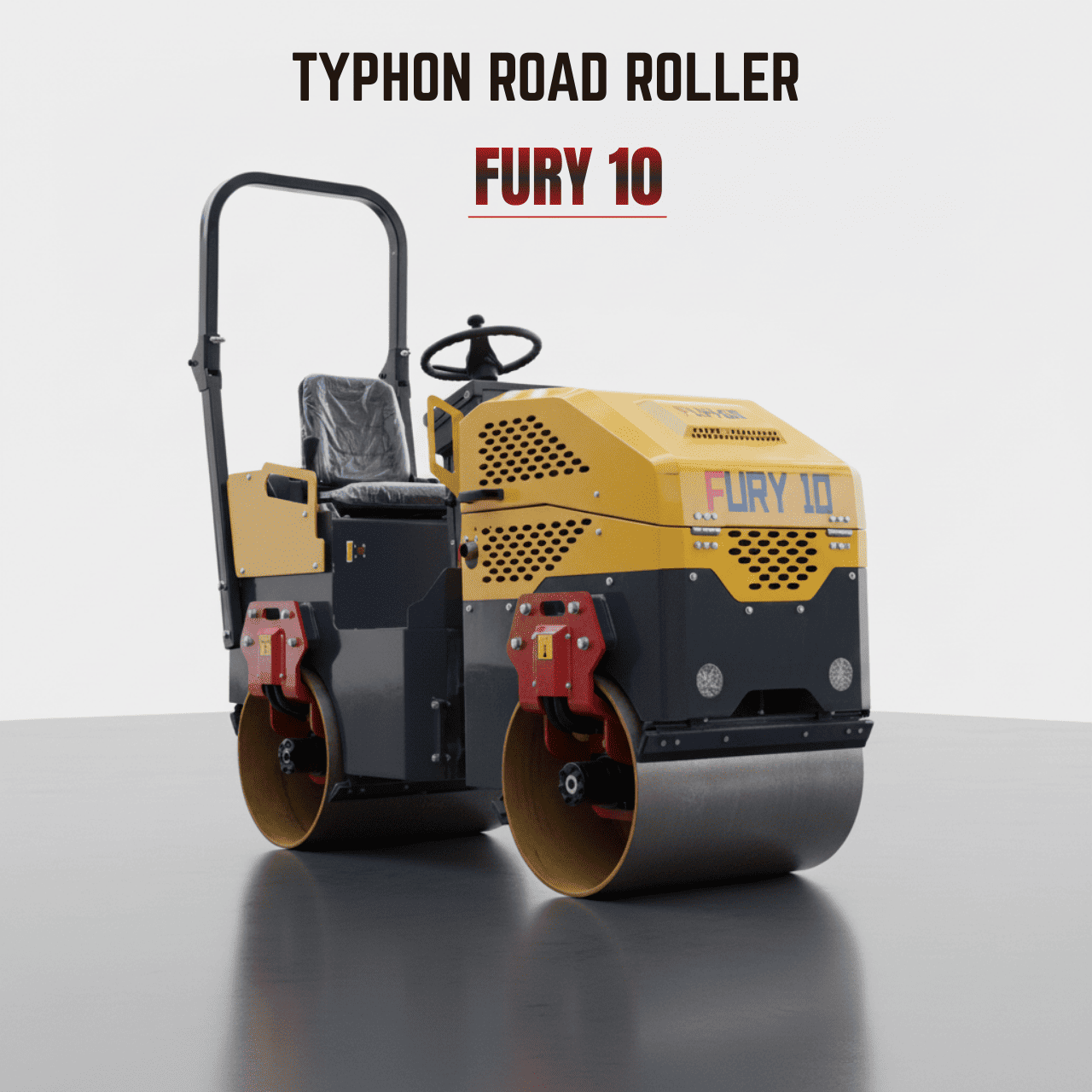
Static steel-wheeled rollers play a crucial role in producing the final, visually flawless finish required for both residential and commercial projects. Relying entirely on their substantial operating weight, these rollers deliver steady, uniform pressure to the asphalt surface, effectively compressing without the use of vibration. This controlled, gentle application ensures that the surface layer is pressed flat and smooth, removing small imperfections without displacing or damaging the underlying structure. Static rollers excel at removing roller marks, faint ridges, and any minor surface texture left over from earlier compaction phases, resulting in a mat with a uniform sheen and exceptional smoothness. Their precise, quiet operation in the finishing phase is essential for achieving the high-quality appearance and ride comfort that discerning property owners expect from their investment.
Skilled operators use static rollers exclusively for the final finishing phase. The asphalt has already achieved its required density by this stage. The static roller simply irons out any lingering tire marks or slight ridges, leaving behind a perfectly pristine, mirror-smooth surface that delights property owners.
Trench Rollers for Tight Spaces
Many commercial projects involve digging utility trenches for plumbing, electrical, and drainage systems, and these confined areas present unique compaction challenges that standard rollers cannot address. Before paving over these trenches, it is critical to achieve uniform, high-density compaction of the dirt and gravel sub-base to support the future pavement reliably.
Trench rollers are specially engineered for this task. Their compact size allows them to maneuver easily within narrow, restricted spaces where other equipment would be ineffective or potentially damaging. These machines feature heavy, cylindrical drums equipped with raised, padfoot studs or sheepsfoot treads—design elements that deliver aggressive kneading action into granular soils and cohesive clays. This robust traction and compaction are essential for eliminating air pockets and achieving maximum density even in deeper, hard-to-reach sections of the trench.
A defining feature of modern trench rollers is their remote-control functionality. Operators can position themselves at a safe distance—away from unstable trench walls or tight embankments—while precisely guiding the machine along the length and depth of the excavation. The remote operation increases safety and ensures thorough coverage, reducing the likelihood of missed spots that could compromise the finished pavement.
Proper use of a trench roller guarantees that the compacted sub-base is firm, level, and fully stabilized, dramatically reducing the risk of future settlement, rutting, or collapse under the weight of the overlying asphalt. In every project where trenches intersect with finished pavement, using trench rollers is a proven best practice for delivering lasting performance and upholding the integrity of commercial and residential surfaces.
Trench rollers feature heavy, studded drums designed specifically to compact dirt in very narrow, deep spaces. Many of these machines feature remote controls, allowing the operator to stand safely above the trench while the machine works below. Properly compacting the sub-base ensures the final asphalt layer will never sink or collapse under pressure.
Best Practices for Flawless Project Execution
Owning reliable road rollers only solves part of the equation. Executing a highly successful paving project requires strict discipline, precise timing, and highly trained equipment operators.
Monitoring Asphalt Temperatures
Compaction is a constant race against the thermometer, making real-time temperature monitoring a critical best practice for any successful paving project. Asphalt temperature determines how effectively the material compacts—if it cools too much before the rollers arrive, it stiffens quickly and resists proper densification, resulting in trapped air voids and a weak structure. If the material is excessively hot when rolled, it can shove, distort, and lose surface integrity beneath the drum’s weight.
Reliable crews employ a combination of infrared thermometers, thermocouple probes, and handheld temperature guns to measure surface and internal mat temperatures as soon as the asphalt is laid. Rolling should typically begin while the asphalt is within the optimal compaction window, usually between 275°F and 300°F (135°C and 149°C), depending on the specific mix and site conditions. Operators are trained to avoid cold seams and to stagger rolling passes so compaction occurs while the mat stays within this temperature range.
Advanced paver-integrated systems can provide continuous temperature mapping across the entire paving surface. Real-time data, often displayed on in-cab monitors, enable crews to coordinate roller deployment with pinpoint precision—ensuring no section cools beyond the target window before compaction is complete. This data-driven approach helps prevent issues like under-compaction at cold joints and over-compaction in overheated zones, safeguarding both performance and appearance.
By implementing precise temperature monitoring techniques, teams gain the confidence and control needed to achieve durable, consistent results, optimizing their compaction strategy for every unique job.
Professional paving crews monitor surface temperatures continuously. Utilizing digital thermal sensors ensures operators only compact the material when it reaches its ideal temperature window. Managing this heat effectively guarantees structural success without damaging the mixture.
Establishing Effective Rolling Patterns
Random, uncoordinated rolling passes often result in uneven compaction and leave the pavement vulnerable to weak spots that can compromise long-term durability. To achieve consistent, high-quality results, project managers must develop and enforce clearly defined, systematic rolling patterns before any asphalt is laid.
An effective rolling pattern starts with a precise plan that accounts for project size, material type, and surface gradients. The most common and reliable method is to begin compaction at the outer edges and progress gradually toward the center or highest point (the crown), using overlapping passes to ensure the entire width of the mat receives adequate coverage. Each new pass should overlap the previous one by a specific amount—typically 6 to 12 inches—so there are no areas of insufficient density along the seams. Rolling direction may also be alternated or shifted as needed to break up repetitive patterns and minimize the risk of rutting.
Speed discipline is equally essential; rollers should maintain a consistent pace, avoiding abrupt starts or stops that could create depressions or shiny spots. Operators must coordinate closely, especially when multiple rollers are deployed, to prevent over-compaction in certain zones or gaps in coverage. In larger lots or multi-phase jobs, deploying echelon rolling—two or more rollers working in tandem, side-by-side—can provide optimal coverage and consistent compaction across wide areas.
By adhering to these proven strategies and best practices, teams ensure that every section of pavement meets the required density specifications, leading to a durable, resilient, and visually flawless finish that stands the test of time.
Every operator must know exactly how much to overlap their previous pass and at what speed to drive. Working methodically from the outside edges toward the center crown ensures the pavement locks together perfectly. When a crew executes a highly disciplined compaction strategy, the results speak for themselves.
Road Rollers in Residential and Commercial Projects
Deploying professional road rollers in residential and commercial projects is the single most critical factor in achieving a durable, high-quality pavement surface. Compaction is the absolute cornerstone of any long-lasting build. Without it, the asphalt surface remains vulnerable to rapid deterioration from daily vehicle loads, temperature fluctuations, and constant exposure to water and chemicals. When freshly laid asphalt is not properly compacted, trapped air voids weaken the entire structure. This insufficient density allows for early cracking, raveling, and rutting—problems that inevitably lead to expensive repairs and unsatisfied property owners.
Consistent, thorough compaction binds aggregate particles tightly together, eliminating spaces where water can infiltrate and cause freeze-thaw damage or erosion. This process directly enhances the load-bearing capacity of the pavement, allowing it to withstand traffic demands whether it’s a single-family driveway or a busy commercial lot. Inadequate compaction reduces structural integrity, cutting the pavement’s service life significantly and increasing the likelihood of costly maintenance cycles.
On the other hand, well-compacted asphalt retains its shape and smoothness far longer. It resists deformation under heavy vehicles, stays resistant to cracks caused by temperature swings, and prevents unsightly depressions or potholes from developing. Proper compaction ensures that the pavement not only looks professional but also delivers reliable, long-term value for both residential and commercial property owners.
Modern construction relies on a diverse fleet of road rollers in residential and commercial projects to act as the undisputed backbone of reliable paving construction. They transform loose, hot materials into dense, structurally sound surfaces capable of withstanding heavy traffic and harsh weather. We know that property owners expect their investments to last, which makes proper compaction a non-negotiable step in every build.
This guide explores the critical role of road rollers in residential and commercial projects. You will learn how proper compaction guarantees long-term durability, enhances safety, and delivers stunning curb appeal. We will also detail the specific types of rollers used to perfect everyday infrastructure like driveways, parking lots, and small access roads.
The Foundation of Quality: Understanding Road Rollers in Residential and Commercial Projects
A newly laid asphalt surface consists of aggregate stones, a liquid binder, and a significant amount of trapped air. Leaving these air voids in the mixture severely compromises the structural integrity of the pavement. Heavy machinery applies massive downward pressure and, in many cases, vibration directly to the surface through their heavy drums or wheels.
During the compaction process, road rollers in residential and commercial projects move steadily across the hot asphalt, exerting thousands of pounds of force per square inch. This action systematically reduces air voids by pushing aggregate particles closer together and forcing the binder to envelop those particles uniformly. For vibratory rollers, the addition of vibration helps the aggregates reorient and interlock more tightly than static force alone, further enhancing density and strength.
The applied pressure and dynamic force ensure the material bonds into a unified, cohesive layer. This not only solidifies the pavement but also expels potential weaknesses caused by air and moisture pockets. Successfully coordinating road rollers in residential and commercial projects results in an asphalt structure with improved resistance against cracking, rutting, and weather-related deterioration—a foundation built for reliability and longevity.
Technical Performance and Safety Benefits
Utilizing heavy road rollers in residential and commercial projects addresses structural, safety, and visual concerns simultaneously.
Ensuring Long-Lasting Durability
Water is one of the most significant threats to the longevity of any paved surface. When an asphalt layer is not sufficiently compacted, its porous structure easily allows rainwater to penetrate. Once inside, this moisture can migrate to the base and sub-base layers, undermining the overall structural integrity of the pavement. In colder climates, trapped water will freeze and expand, placing immense stress on the material from within and accelerating cracking, pothole formation, and long-term degradation.
Proper compaction is the definitive defense against these vulnerabilities. By systematically reducing internal air voids, road rollers in residential and commercial projects create a tightly bonded, unified matrix that acts as a barrier to water infiltration. This significantly minimizes the risk of internal freeze-thaw cycles and erosion, which are leading causes of premature pavement failure.
Prioritizing Vehicle and Pedestrian Safety
A lack of proper compaction poses significant risks to both drivers and pedestrians on the finished pavement. Uneven surfaces created by inadequate densification can lead to unexpected dips, waves, or surface depressions—hazards that increase the risk of trips, slips, and falls for pedestrians.
Using road rollers in residential and commercial projects plays a critical role in mitigating these risks. By methodically compressing the asphalt, rollers ensure a consistently smooth and uniform surface free from hazardous bumps and irregularities. A well-compacted pavement provides optimal tire contact and predictable traction for vehicles, greatly reducing the likelihood of accident-causing skid events or abrupt maneuvers.
Delivering Flawless Aesthetics with Road Rollers in Residential and Commercial Projects
Aesthetics play a crucial role in real estate, influencing not only property value but also the overall impression a site leaves on occupants and visitors. A smooth, flawless asphalt surface showcases attention to detail and reflects a commitment to quality standards. When compaction is performed correctly via road rollers in residential and commercial projects, it eliminates unsightly blemishes—such as roller marks, rough seams, and minor surface waviness—that can detract from a pavement’s appearance.
Key Paving Applications for Compaction Equipment
While massive highway builds require massive machinery, the use of road rollers in residential and commercial projects presents its own unique challenges. These builds often feature tight property lines, complex landscaping, and specific traffic flow requirements.
Perfecting Residential Driveways
Homeowners expect their driveways to look immaculate and endure years of family vehicles coming and going. However, residential paving often presents unique challenges, particularly when it comes to maneuvering heavy equipment around fragile garage foundations, delicate landscaping, garden edges, trees, and custom hardscaping features.
Operators must develop precise strategies to navigate these tight spaces without causing accidental damage. Skilled contractors rely on compact, highly maneuverable road rollers in residential and commercial projects specifically designed for residential layouts. These smaller rollers deliver the required compaction force but allow for greater control near sensitive structures and along curbs or sharply curved sections.
Building Commercial Parking Lots
Commercial parking lots endure relentless punishment from heavy delivery trucks, waste management vehicles, and constant customer traffic. Effective compaction strategies in commercial lots involve using a combination of large dual-drum vibratory rollers and pneumatic tire rollers.
Operators focus on overlapping roller passes and varying rolling patterns—parallel, transverse, and diagonal—to prevent weak seams and guarantee homogeneous density throughout the pavement. The coordination of specialized road rollers in residential and commercial projects ensures that driving lanes and loading zones achieve maximum density to prevent premature rutting.
Constructing Small Access Roads and Pathways
Suburban developments and commercial business parks rely on networks of small access roads, golf cart paths, and pedestrian walkways. To meet heightened safety and accessibility requirements, contractors deploy compact, highly maneuverable rollers tailored for confined spaces and tight curves.
Thorough compaction via road rollers in residential and commercial projects on small access roads and pathways not only extends the surface’s lifespan but also upholds vital safety and accessibility standards for wheelchairs, strollers, and bicycles.
Choosing the Right Roller: The Best Road Rollers in Residential and Commercial Projects
Equipment manufacturers engineer highly specific machinery to conquer unique site demands. Utilizing the correct combination of road rollers in residential and commercial projects guarantees you meet your project’s density and smoothness requirements.
Roller Selection Matrix
| Roller Type | Primary Phase | Key Mechanism | Best Use Case |
| Vibratory Roller | Breakdown (Initial) | High-frequency internal vibration | Deep compaction on parking lots and driveways |
| Pneumatic Tire Roller | Intermediate | Staggered rubber tires with kneading action | Surface sealing and closing hairline cracks |
| Static Steel Roller | Finish (Final) | Pure static weight pressure | Removing roller marks and creating a smooth sheen |
| Trench Roller | Sub-base Prep | Padfoot/sheepsfoot studs with remote control | Confined utility trenches and narrow excavations |
Vibratory Rollers for Deep Compaction
Vibratory steel-wheeled rollers serve as the primary heavy lifters for commercial parking lots and small roads. These machines are equipped with large, heavy drums that contain internal rotating weights, generating high-frequency vibrations as the roller moves. Contractors rely on these specific road rollers in residential and commercial projects during the initial breakdown phase, immediately behind the paving machine to rapidly reduce air voids.
Pneumatic Tire Rollers for Surface Sealing
Pneumatic tire rollers feature staggered rows of heavy, inflated rubber tires, distinguishing them from rigid steel drums. This dynamic movement delivers a gentle but persistent kneading action. This kneading motion draws liquid asphalt binder upward, perfectly sealing the top layer of the pavement. Deploying these secondary road rollers in residential and commercial projects guarantees a highly water-resistant finish that drastically extends the life of a commercial parking lot.
Static Steel-Wheeled Rollers for Smooth Finishes
Static steel-wheeled rollers play a crucial role in producing the final, visually flawless finish. Relying entirely on their substantial operating weight, these finish-phase road rollers in residential and commercial projects deliver steady, uniform pressure to the asphalt surface, effectively compressing without the use of vibration to iron out lingering tire marks or slight ridges.
Trench Rollers for Tight Spaces
Many commercial projects involve digging trenches for utilities, which present unique compaction challenges. Trench rollers feature heavy, studded drums designed specifically to compact dirt in very narrow, deep spaces. These walk-behind or remote-controlled road rollers in residential and commercial projects ensure the sub-base is completely firm so the final asphalt layer will never sink or collapse under pressure.
Best Practices for Road Rollers in Residential and Commercial Projects
Owning reliable road rollers in residential and commercial projects only solves part of the equation. Executing a highly successful paving project requires strict discipline, precise timing, and highly trained equipment operators.
Monitoring Asphalt Temperatures
Compaction is a constant race against the thermometer, making real-time temperature monitoring a critical best practice. Asphalt temperature determines how effectively the material compacts—if it cools too much before the road rollers in residential and commercial projects arrive, it stiffens quickly and resists proper densification. Rolling should typically begin while the asphalt is within the optimal compaction window:
$$\text{Optimal Compaction Temperature Range} = 275^\circ\text{F to } 300^\circ\text{F } (135^\circ\text{C to } 149^\circ\text{C})$$
Establishing Effective Rolling Patterns
Random, uncoordinated rolling passes often result in uneven compaction and leave the pavement vulnerable to weak spots. To achieve consistent, high-quality results, project managers must establish strict rolling patterns. Operators of road rollers in residential and commercial projects must work methodically from the outside edges toward the center crown, ensuring each pass overlaps the previous one by 6 to 12 inches to lock the pavement joints together perfectly.
Secure Your Paving Investment Today
Constructing durable, safe, and beautiful pavement requires uncompromising attention to detail. Road rollers in residential and commercial projects serve as the most critical tools in achieving the structural density your property demands. By utilizing the correct vibratory, pneumatic, and static rollers, contractors deliver exceptional surfaces that easily stand the test of time.
For further exploration of heavy compaction machinery specs and field safety protocols, reference the comprehensive industry guidelines maintained by the Association of Equipment Manufacturers (AEM) or review field optimization data via the National Asphalt Pavement Association (NAPA).
We encourage property managers and homeowners to discuss compaction strategies directly with their chosen paving professionals. Ask specific questions about their equipment fleet, their temperature control methods, and refer to our internal Asphalt Grading and Drainage Guide to ensure your base prep is up to par. Demanding top-tier compaction and the deployment of professional road rollers in residential and commercial projects ensures your paving investment provides reliable, safe, and stunning performance for decades to come.