 Trending
Road Rollers Remain Central to Modern Road Construction Projects
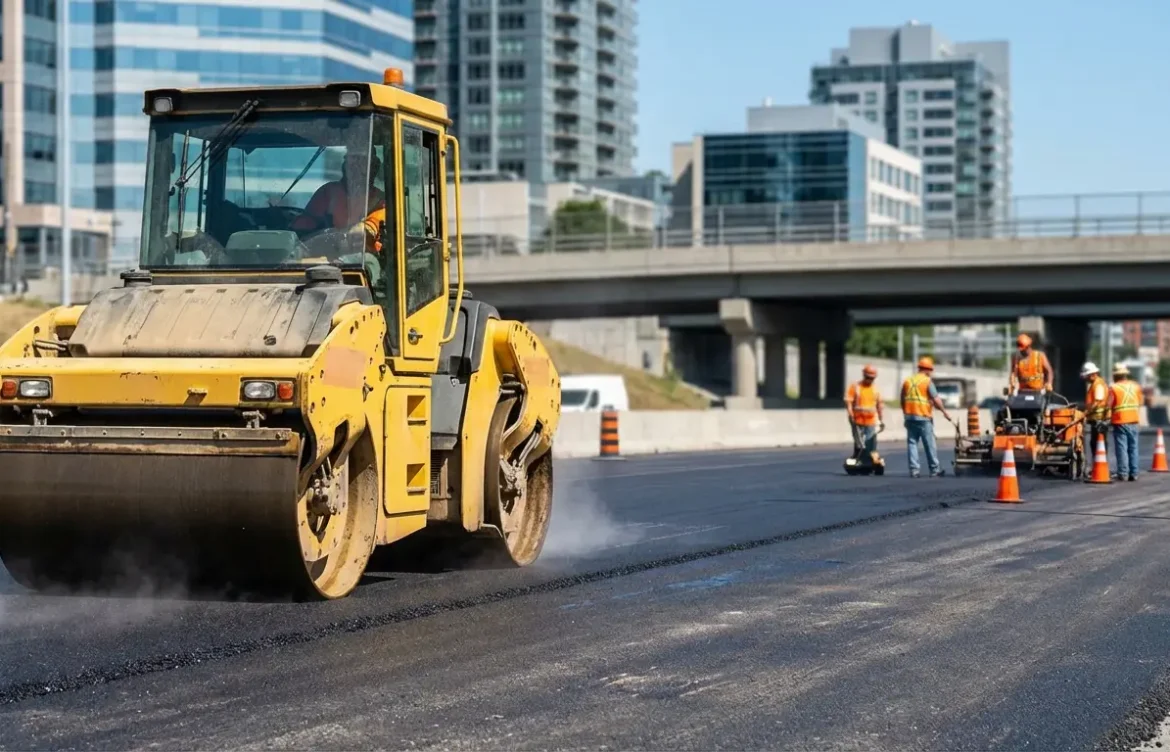
Road rollers continue to hold a central position in road construction projects as contractors and infrastructure teams focus on building stronger, smoother, and longer-lasting surfaces.
While large-scale construction often highlights excavation, paving, and material transport, industry professionals say compaction remains one of the most important stages of the process. At the center of that stage is the road roller, a machine designed to compress soil, gravel, and asphalt so that roads can better withstand traffic and weather over time.
Road rollers are widely used in highway construction, urban road upgrades, industrial site development, and airport paving works. Their purpose is straightforward but critical: remove air gaps, increase material density, and create a more stable base or finished surface.
Construction specialists have long considered compaction a key factor in road quality. If a surface is not compacted properly, the risk of uneven settlement, cracking, and premature deterioration increases significantly. That makes the role of road rollers especially important in projects where durability and safety are priorities.
Different roller types are used depending on project requirements. Smooth drum rollers are commonly used for asphalt and surface finishing, while pneumatic rollers help apply even pressure across paved layers. Padfoot rollers are often chosen for cohesive soils, and vibratory rollers remain popular for granular materials because they combine weight with vibration for stronger compaction performance.
The continued reliance on road rollers reflects a broader truth in infrastructure work: the strength of a road often depends on what happens beneath the surface, not just what drivers see from above.
Operators and engineers also point out that effective rolling involves more than simply driving a machine back and forth. Surface temperature, moisture content, material type, machine settings, and the number of passes all influence the final result. For this reason, skilled operation remains a major part of successful compaction work.
In recent years, road rollers have also evolved alongside broader equipment trends. Manufacturers have introduced machines with improved operator comfort, greater efficiency, and more advanced compaction monitoring systems. These developments are helping contractors improve consistency while also responding to growing demands for productivity and quality control.
Even with technological progress, the machine’s role has remained largely unchanged. The road roller continues to be one of the last and most important steps in preparing a road for long-term public use.
As infrastructure development continues in cities, towns, and transport corridors around the world, road rollers are expected to remain a familiar presence on construction sites. Slow-moving but highly effective, they continue to shape the surfaces that support daily travel, trade, and development.
porntude
March 26, 2026Very good i like it