 Trending
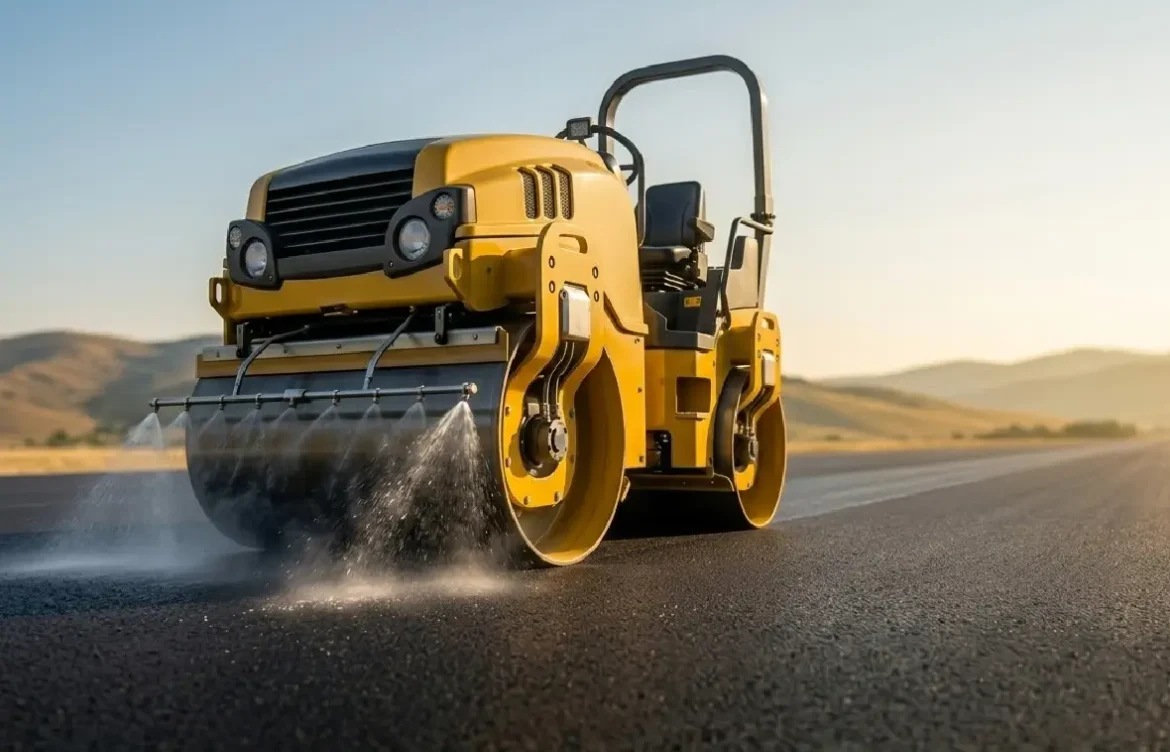
How to Choose the Right Road Roller for Your Construction Project
Choosing the right road roller is crucial for construction efficiency, surface quality, and safety. Whether you are paving roads, compacting soil, or working on a driveway, the wrong roller can lead to poor compaction, project delays, and higher costs.
In this guide, we’ll explore the factors you should consider when selecting a road roller, including type, size, vibration options, and maintenance requirements.
1. Understand Your Project Requirements
Before selecting a roller, identify:
- Project Size: Small driveway vs large highway?
- Material Type: Soil, gravel, asphalt, or a combination?
- Surface Type: Flat surface or uneven terrain?
- Access Limitations: Narrow residential sites or wide commercial areas?
Understanding these factors helps you choose a roller that is safe, efficient, and cost-effective.
2. Types of Road Rollers
Different projects require different types of rollers:
Smooth Drum Roller
- Ideal for asphalt paving and smooth surfaces.
- Provides uniform compaction and a polished finish.
Padfoot Roller
- Best for soil compaction and cohesive materials.
- Drum has raised pads for deep compaction.
Tandem Roller
- Combines front and rear drums for uniform surface compaction.
- Common in road construction.
Pneumatic Roller
- Uses rubber tires for uniform pressure distribution.
- Good for asphalt and base layers.
Vibratory Roller
- Equipped with vibrating drums to increase compaction efficiency.
- Suitable for soil, asphalt, and gravel.
3. Roller Size and Weight
- Mini Rollers: Lightweight, easy to maneuver, ideal for residential projects and landscaping.
- Medium Rollers: Suitable for parking lots, driveways, and smaller roads.
- Full-Size Rollers: Heavy, powerful machines for highways, commercial projects, and large infrastructure.
Consider project size, surface area, and material density when choosing the weight and size.
4. Vibration and Drum Options
- Single Drum: Efficient for soil compaction and uneven surfaces.
- Double Drum / Tandem Drum: Great for asphalt paving, giving smooth, even surfaces.
- Vibratory Drums: Increase compaction efficiency for soil, gravel, and asphalt.
- Static Drums: For delicate surfaces or small areas where vibration is not recommended.
5. Engine and Power
- Consider engine size and horsepower relative to the project’s material and area.
- Mini rollers may need smaller engines (10–15 HP), while full-size rollers require 50+ HP.
- Fuel efficiency is important for long-term operational cost.
6. Ease of Maintenance
- Look for rollers with accessible engine compartments, hydraulic systems, and drum components.
- Machines that are easy to maintain reduce downtime and repair costs.
- Ensure spare parts availability for your roller model.
7. Safety Features
- Seat belts and operator protection structures (ROPS)
- Emergency stop buttons and alarms
- Clear visibility for maneuvering
- Anti-slip steps and controls
Safety is a priority regardless of roller size or type.
8. Mini vs Full-Size Rollers
| Feature | Mini Roller | Full-Size Roller |
|---|---|---|
| Project Use | Residential, landscaping, driveways | Highways, commercial roads, large infrastructure |
| Maneuverability | Easy in tight spaces | Requires larger area |
| Maintenance | Simple, less frequent | Complex, requires skilled operators |
| Cost | Lower initial cost | Higher investment, high fuel cost |
| Compaction Power | Moderate | High, suitable for heavy-duty projects |
Recommended Roller for Small to Medium Projects
For residential or small commercial projects, the Typhon Fury 1 Ton Mini Road Roller is a top choice:
- Compact and easy to maneuver
- Powerful 13.5 HP engine
- Hydraulic system for smooth operation
- Minimal maintenance requirements
Conclusion
Choosing the right road roller ensures efficient compaction, safety, and quality results. Evaluate your project type, surface material, site conditions, and maintenance requirements before making a decision.
Investing in the correct roller—whether mini, medium, or full-size—saves time, reduces operational costs, and ensures your project’s success.