 Trending
The World’s Most Expensive “Ironing”: How Road Rollers Are Pressing the Planet Smooth
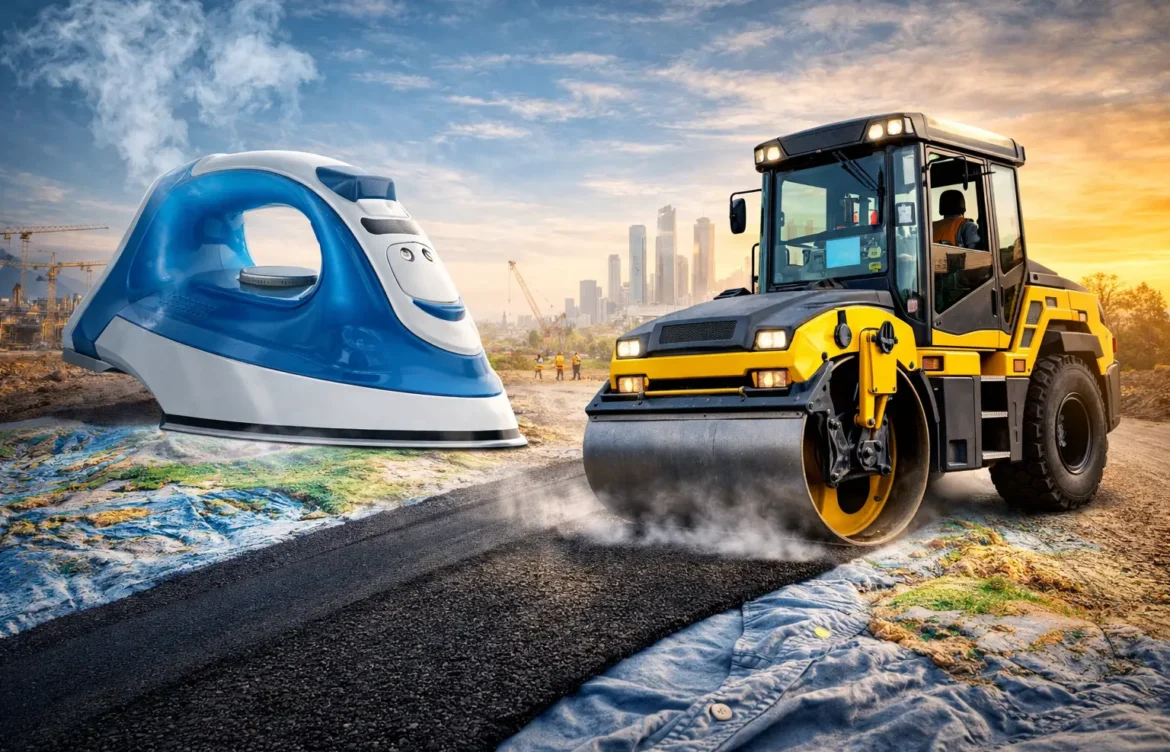
If you’ve ever watched a road roller slowly glide across fresh asphalt, you may have had a strange thought: this looks like someone ironing a giant shirt. And in a way, that’s not far from the truth.
Across the globe, road rollers are performing what might be the world’s most expensive and largest-scale “ironing job”—flattening, smoothing, and perfecting the surface of our planet’s roads. But instead of removing wrinkles from fabric, these machines are eliminating bumps, air pockets, and uneven surfaces from soil and asphalt.
Welcome to the fascinating—and slightly humorous—world of road rollers, where construction meets everyday life in the most unexpected way.
From Wrinkled Shirts to Wrinkled Roads
Ironing clothes is all about applying heat and pressure to remove wrinkles. Similarly, road rollers apply weight, vibration, and pressure to smooth out layers of materials used in road construction.
Think of a freshly laid road like a crumpled shirt. Without proper compaction, it would remain uneven, weak, and prone to damage. Enter the road roller—the industrial “iron” that presses everything into place.
But unlike your home iron, which weighs a few kilograms, road rollers can weigh several tons, making them powerful enough to reshape entire landscapes.
How Road Rollers “Iron” the Earth
While the comparison is funny, the process behind road rollers is serious engineering.
Road rollers work by compressing materials such as soil, gravel, and asphalt to increase density and stability. This process ensures that roads can handle heavy traffic and harsh weather conditions.
Modern road rollers use two main techniques:
Static Pressure: Like pressing an iron down on fabric, the machine’s weight pushes materials together.
Vibratory Compaction: Imagine shaking the wrinkles out before ironing—vibrations help particles settle more tightly and evenly.
This combination ensures a smooth, durable surface that can last for years.
Why This “Ironing” Costs Millions
Unlike household ironing, this version comes with a massive price tag. Large-scale infrastructure projects can cost millions—or even billions—of dollars, and road rollers are a key part of that investment.
So why is this “ironing” so expensive?
1. Heavy-Duty Engineering
Road rollers are built with advanced technology, powerful engines, and precision systems. Modern machines often include GPS tracking, compaction sensors, and automated controls.
2. Critical to Infrastructure
Without proper compaction, roads would quickly crack and fail. This makes road rollers essential for highways, airports, and urban development.
3. Time-Sensitive Projects
Construction timelines are tight. Efficient compaction helps projects finish faster, reducing labor and operational costs.
In short, road rollers are not just flattening roads—they’re protecting massive investments.
A Global “Ironing” Operation
Every day, thousands of road rollers are at work across the world—from busy cities to remote construction sites.
In rapidly developing regions like Southeast Asia and Africa, road rollers are helping build new transportation networks that connect communities and boost economic growth.
Meanwhile, in developed countries, these machines are busy repairing and upgrading aging infrastructure.
It’s safe to say that the planet is constantly being “ironed,” one road at a time.
The Benefits of Perfectly “Pressed” Roads
While the ironing analogy brings a smile, the results are no joke. Properly compacted roads offer several important benefits:
 Smoother Driving Experience
Just like wrinkle-free clothes look better, smooth roads provide a more comfortable ride for drivers.
Increased Safety
Even surfaces reduce the risk of accidents caused by potholes or uneven pavement.
Longer Lifespan
Well-compacted roads last longer, saving governments and taxpayers money on repairs.
Better Fuel Efficiency
Vehicles consume less fuel on smooth roads, reducing overall transportation costs.
The Rise of Smart and Eco-Friendly Rollers
Today’s road rollers are evolving beyond simple “irons.”
Manufacturers are introducing electric and hybrid models that reduce emissions and noise, making them more environmentally friendly. At the same time, smart technology is allowing operators to monitor compaction in real time, ensuring perfect results with minimal waste.
Some advanced rollers can even map the entire construction site, ensuring no area is over- or under-compacted.
It’s like having a high-tech iron that tells you exactly where to press—except on a much larger scale.
A Lighthearted Look at Heavy Machinery
The idea of road rollers as giant irons may sound amusing, but it highlights something important: even the most complex technologies can be understood through simple, relatable comparisons.
Next time you see a road roller at work, take a moment to appreciate the process. Beneath that slow, steady movement is a combination of physics, engineering, and innovation—all working together to create the roads we rely on every day.
Conclusion: Smoothing the World, One Road at a Time
From wrinkled shirts to wrinkled roads, the concept of ironing has taken on a whole new meaning. Road rollers may not hang in your closet, but they play a crucial role in shaping the modern world.
So the next time you enjoy a smooth drive down a freshly paved road, remember: somewhere along the way, the world’s biggest “iron” has already done its job.