 Trending
Road Roller Safety Guidelines: Tips Every Operator Should Know
Introduction
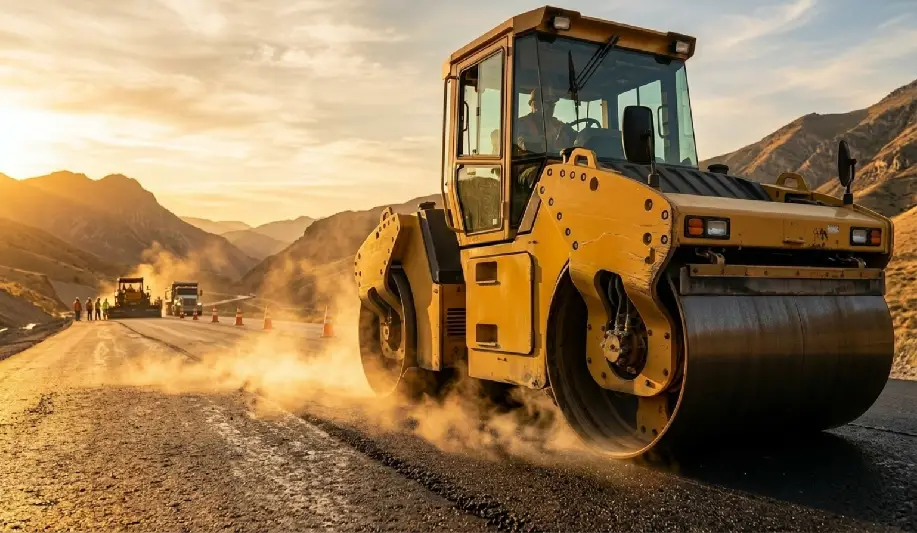
Operating a road roller is a critical task on construction sites, whether you’re compacting asphalt, soil, or gravel. These machines are powerful and heavy, making safety an absolute priority.
Accidents with road rollers can cause serious injuries or property damage if operators aren’t trained or careful. Following safety guidelines ensures the job gets done efficiently without risks to workers, nearby residents, or equipment.
In this article, we’ll cover the essential road roller safety tips that every operator and contractor should know.
1. Proper Training Is Essential
Before operating a road roller, all operators must be trained on:
- Machine controls and features
- Vibratory systems and drum operation
- Steering and braking procedures
- Emergency stop protocols
Tip: Always read the operator’s manual and follow the manufacturer’s recommendations.
2. Wear Appropriate Safety Gear
Safety gear is non-negotiable. Operators should always wear:
- High-visibility vest
- Hard hat
- Safety boots with steel toes
- Gloves for grip and protection
- Ear protection if working with vibratory systems
These items reduce the risk of injury and improve visibility on busy construction sites.
3. Conduct a Pre-Operation Inspection
Before starting work, inspect the road roller for:
- Leaks (oil, fuel, hydraulic fluid)
- Loose or damaged parts
- Proper tire or drum condition
- Functioning brakes, horn, and lights
A quick pre-operation check can prevent accidents and costly repairs.
4. Maintain a Safe Work Zone
- Keep bystanders and unauthorized personnel away from the work area
- Use warning signs, cones, or barriers around the construction site
- Avoid steep slopes or unstable surfaces unless the roller is designed for it
Tip: Always plan the roller’s path before starting to compact material.
5. Use Proper Operating Techniques
- Drive at safe speeds—too fast can cause loss of control
- Operate the vibratory system at the correct frequency for the material
- Compact in overlapping passes for even results
- Avoid sudden turns or abrupt stops
Precision and care are key to prevent tipping or damage to the surface.
6. Never Leave the Machine Unattended
Even for a short break, never leave a road roller running unattended. Always:
- Turn off the engine
- Set the parking brake
- Lower the drum or blade to the ground
This prevents accidents and ensures the equipment is secure.
7. Maintain Regular Equipment Maintenance
A well-maintained roller is safer to operate. Perform:
- Routine engine and hydraulic checks
- Drum and vibration system inspections
- Oil and fuel changes per manufacturer schedule
- Safety feature checks (emergency stops, alarms, lights)
Maintenance reduces the likelihood of mechanical failure on-site.
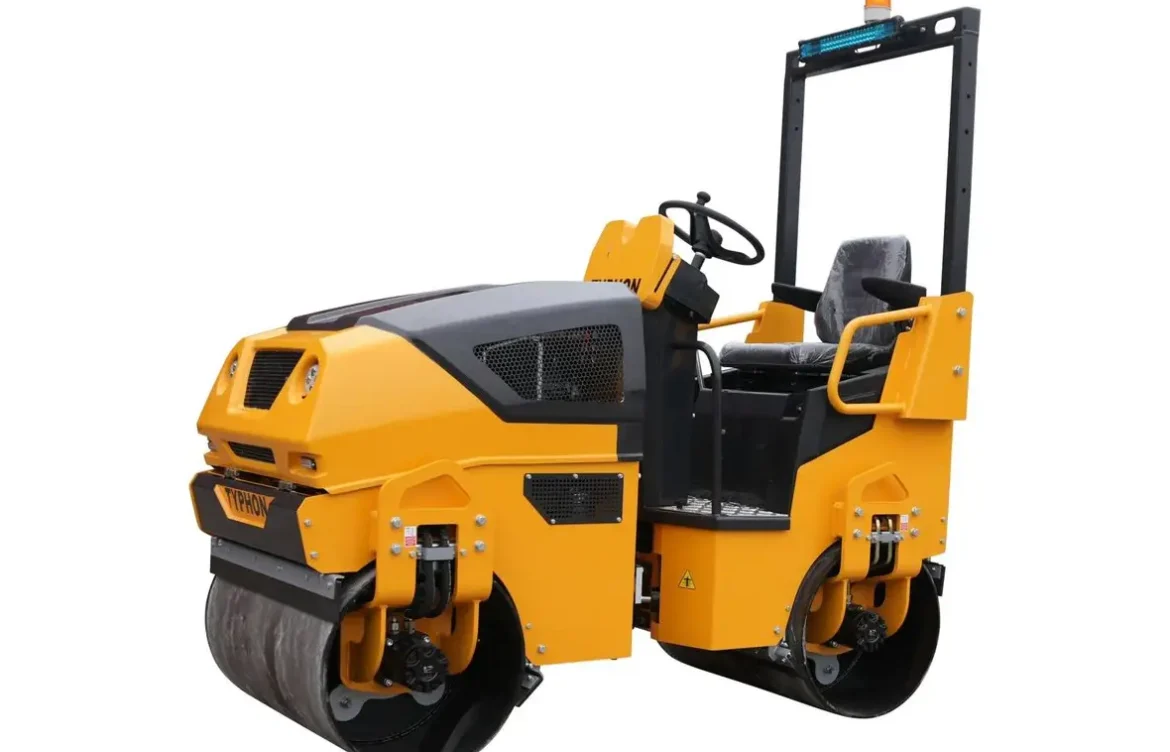
8. Special Considerations for Mini Road Rollers
Mini road rollers are common in residential and landscaping projects, but they still require safety measures:
- Avoid compacting too close to curbs, fences, or garden features
- Use slower speeds for precise maneuvering
- Ensure the surface is cleared of debris before starting
Even small rollers pose a hazard if safety guidelines are ignored.
Conclusion
Safety is non-negotiable when operating road rollers. By following these guidelines—proper training, wearing PPE, pre-operation inspections, safe operating techniques, and regular maintenance—operators can prevent accidents and complete projects efficiently.
Remember, even experienced operators must never take shortcuts when it comes to safety. A safe site ensures a productive and successful construction project.
For reliable mini and full-size rollers, check out the Typhon Fury Mini Road Roller, designed for safe, precise, and professional compaction in residential and small-scale projects.