 Trending
Road Roller Maintenance Checklist
Keep Your Compactor Running Like New
Introduction
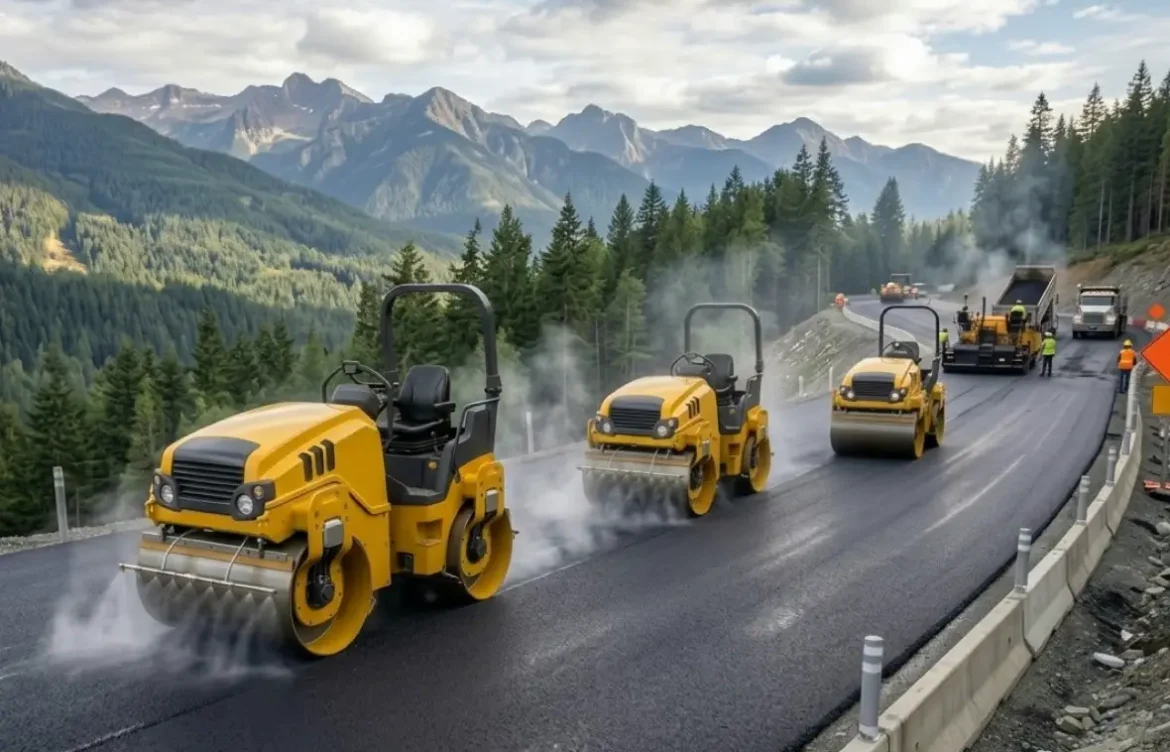
Proper maintenance is critical for road rollers to ensure safety, efficiency, and longevity. Whether you operate a mini roller for small projects or a full-size compactor for highway construction, neglecting regular maintenance can lead to costly repairs, downtime, and even accidents.
This article provides a comprehensive road roller maintenance checklist, covering daily, weekly, and preventive maintenance tasks that every operator should follow.
Why Maintenance Matters
- Prevent Mechanical Failure: Regular inspections catch small issues before they become major problems.
- Increase Equipment Lifespan: Proper care extends the roller’s operational life.
- Ensure Safety: Well-maintained machines are safer to operate.
- Optimize Performance: Clean, lubricated, and properly adjusted rollers compact materials more efficiently.
Daily Road Roller Maintenance Checklist
Daily checks ensure the machine is ready for safe operation.
1. Pre-Operation Inspection
- Check for leaks (oil, fuel, hydraulic fluid)
- Inspect drum and tires for damage
- Ensure lights, horn, and safety alarms are working
- Verify fluid levels (engine oil, hydraulic oil, coolant)
2. Engine and Fuel
- Inspect engine compartment for loose connections
- Check fuel levels and top up if necessary
- Ensure air filter is clean and unobstructed
3. Hydraulic System
- Check for hose leaks and connections
- Ensure hydraulic fluid levels are adequate
- Verify smooth operation of drum vibration and movement
4. Safety Equipment
- Inspect seat belts and operator protection structures
- Verify all emergency stop buttons function correctly
Weekly Road Roller Maintenance
Weekly maintenance ensures that the roller is operating at peak efficiency.
- Grease all moving parts according to the manual
- Check belt tension and condition
- Inspect drum edges for wear or deformation
- Verify battery connections and charge
- Test steering and braking system thoroughly
Monthly / Preventive Maintenance
Preventive maintenance reduces downtime and costly repairs.
- Perform full hydraulic system inspection
- Replace engine oil and filters if due
- Inspect vibration system components
- Check cooling system for leaks or clogs
- Perform roller drum alignment and calibration
Common Road Roller Problems and How Maintenance Helps
| Problem | Cause | Preventive Maintenance Tip |
|---|---|---|
| Reduced compaction efficiency | Drum or vibratory system issue | Regularly check drum condition and vibration system |
| Hydraulic leaks | Worn hoses or fittings | Inspect hoses weekly, replace damaged parts |
| Engine overheating | Low coolant or dirty radiator | Check coolant levels, clean radiator fins monthly |
| Excessive fuel consumption | Dirty air filter | Clean or replace air filter regularly |
| Safety failures | Non-functional alarms or seat belts | Test all safety features daily |
Tips for Effective Road Roller Maintenance
- Keep a Maintenance Log: Track inspections, repairs, and part replacements.
- Follow Manufacturer Guidelines: Use the operator’s manual for oil types, lubrication points, and schedules.
- Train Operators: Educate staff on proper use and daily checks.
- Use Quality Parts: Always replace worn parts with genuine components.
- Store Equipment Properly: Protect rollers from extreme weather when not in use.
Conclusion
Regular maintenance is the key to safe, efficient, and long-lasting road rollers. By following this daily, weekly, and preventive maintenance checklist, operators can prevent costly breakdowns, improve compaction quality, and ensure safety on every project.
For reliable mini and full-size road rollers that are easy to maintain and built to last, check out the Typhon Fury Mini Road Roller. It’s designed for durability, precision, and easy upkeep, perfect for residential and commercial projects.