 Trending
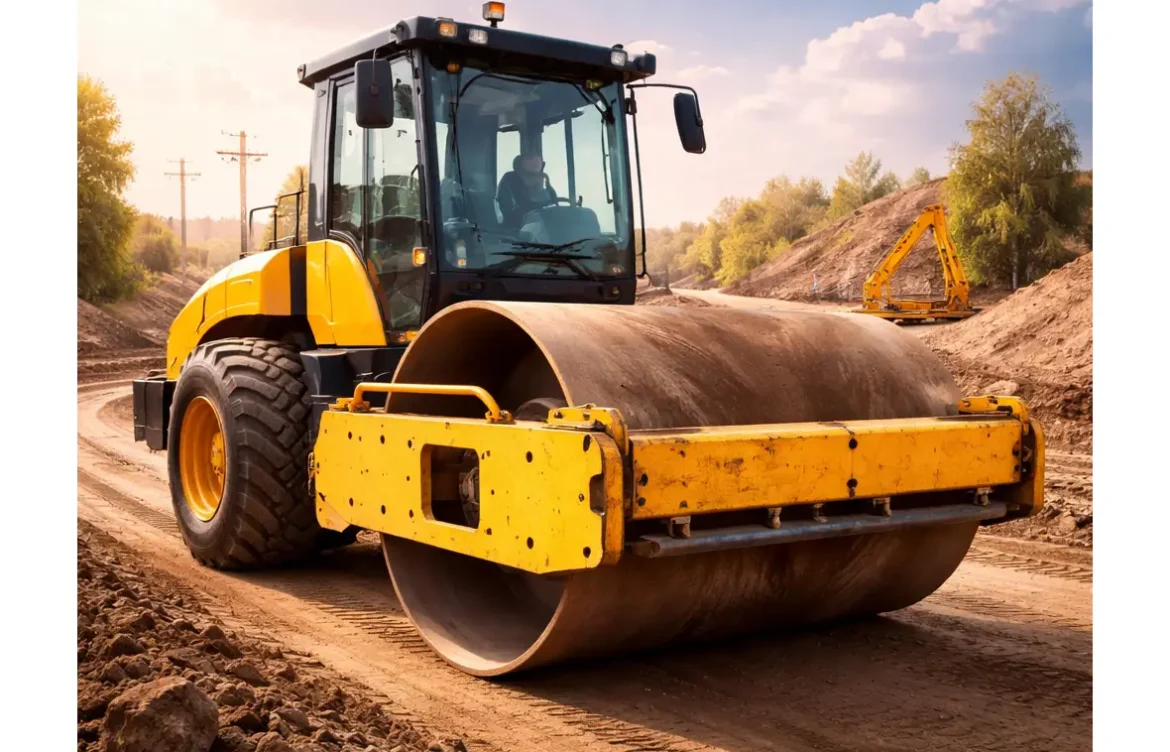
Choosing the Right Road Roller
Modern infrastructure depends heavily on strong and durable foundations. Whether building highways, parking lots, airports, or residential roads, proper compaction is essential for long-lasting results. One of the most important machines used in this process is the road roller.
Road rollers are powerful construction machines designed to compress materials such as soil, gravel, sand, and asphalt. By removing air pockets and increasing material density, these machines help create stable surfaces capable of supporting heavy loads and continuous traffic.
Without proper compaction, roads can quickly develop cracks, potholes, and structural weaknesses. That is why road rollers are considered a critical part of modern construction projects.
In this article, we will explore how road rollers work, the technology behind them, and why they play such a vital role in construction.
What Is a Road Roller?
A road roller, also known as a compaction roller, is a heavy construction machine used to compact materials during road building and ground preparation.
The machine typically features:
-
A large steel drum used for compression
-
A powerful engine to drive the machine
-
A vibration system to increase compaction efficiency
-
A hydraulic system for smooth operation
The combination of weight, vibration, and pressure allows the road roller to compress layers of material into a solid and stable surface.
The Science Behind Compaction
Compaction is the process of increasing the density of soil or asphalt by removing air spaces between particles.
When materials like soil or gravel are loosely placed on the ground, they contain air pockets. These pockets reduce the strength of the surface and can cause settling over time.
Road rollers solve this problem by applying pressure and vibration, forcing the particles closer together.
This process results in:
- Higher density
- Increased stability
- Better load-bearing capacity
- Longer surface lifespan
Proper compaction ensures that roads remain smooth, stable, and resistant to damage caused by traffic and weather conditions.
Key Components of a Road Roller
Understanding how road rollers work requires a closer look at their main components.
1. Steel Drum

The steel drum is the most recognizable part of a road roller. It is the large cylindrical wheel at the front or both ends of the machine.
The drum performs the actual compaction by applying pressure to the material beneath it. As the roller moves forward, the drum presses the material and removes air pockets.
Some rollers have one drum, while others have two drums for more even compaction.
2. Vibratory System
Modern road rollers are equipped with a vibratory mechanism that greatly improves compaction performance.
The vibration system works by rapidly shaking the drum while it presses the ground. This vibration helps particles settle into a tighter formation.
Benefits of vibration include:
- Deeper compaction
- Faster work speed
- Improved soil density
- Better asphalt bonding
This technology makes vibratory rollers significantly more effective than traditional static rollers.

3. Powerful Engine
Road rollers rely on strong engines to move the heavy machine and power the hydraulic and vibration systems.
Depending on the model, engines may run on:
- Diesel fuel
- Gasoline
- Electric power (newer models)
A reliable engine ensures consistent performance during long construction projects.
4. Hydraulic Control System
The hydraulic system controls many of the roller’s movements, including:
- Steering
- Drum vibration
- Speed control
- Direction changes
Hydraulic systems make modern road rollers easier to operate and more precise when working in tight spaces.
Types of Road Rollers
Different construction projects require different types of rollers.
Single Drum Rollers
These rollers feature one large steel drum in the front and tires in the back. They are typically used for soil compaction in large infrastructure projects.
Double Drum Rollers
Also known as tandem rollers, these machines have drums on both the front and rear. They are commonly used for asphalt paving.
Pneumatic Rollers
These rollers use rubber tires instead of steel drums. They are often used for finishing asphalt surfaces.
Mini Road Rollers
Mini rollers are compact machines designed for smaller projects such as driveways, sidewalks, and landscaping work.
Their smaller size makes them ideal for areas where large machines cannot operate efficiently.
Why Road Rollers Are Essential for Construction
Road rollers provide several important advantages in construction projects.
Stronger Surfaces
Compaction creates a solid base capable of supporting heavy vehicles and equipment.
Longer Lifespan
Properly compacted roads last significantly longer and require fewer repairs.
Improved Safety
Smooth and stable surfaces reduce the risk of accidents for vehicles and pedestrians.
Increased Efficiency
Using the right compaction equipment allows contractors to complete projects faster and more effectively.
The Future of Road Roller Technology
Construction technology continues to evolve, and modern road rollers are becoming more advanced.
Some new innovations include:
- Smart compaction systems
- GPS monitoring technology
- Fuel-efficient engines
- Improved vibration control
- Better operator comfort and safety features
These improvements help contractors achieve higher productivity while reducing environmental impact.
Conclusion
Road rollers are one of the most important machines used in construction and infrastructure development. By compressing soil, gravel, and asphalt, these machines create stable and durable surfaces that can withstand years of traffic and environmental stress.
Understanding how road rollers work helps contractors choose the right equipment and apply the best compaction techniques for their projects.