 Trending
The Essential Machine Behind Smooth, Durable Roads
Road construction is one of the most important parts of modern infrastructure. Smooth highways, durable city streets, airport runways, and parking lots all require strong foundations to last for many years. One of the most essential machines used to create these strong surfaces is the road roller.
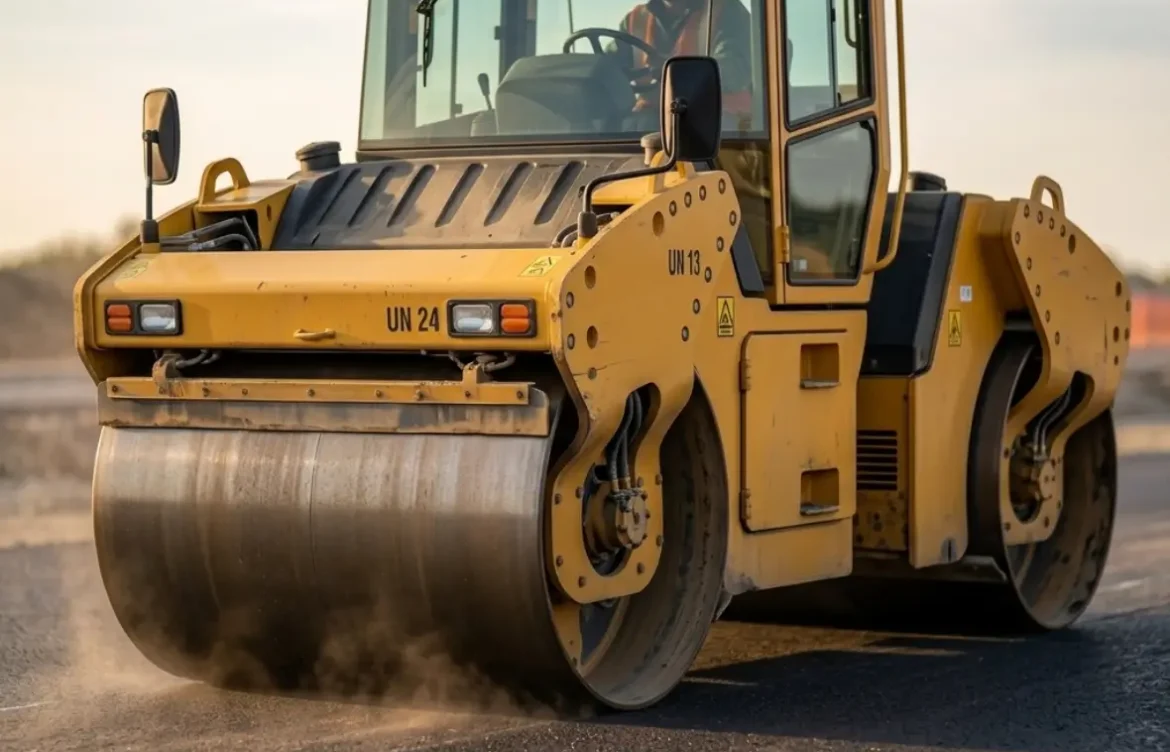
A road roller, also known as a roller compactor, is a heavy construction machine designed to compact materials such as soil, gravel, sand, or asphalt. By compressing these materials, the machine removes air pockets and increases density, creating a solid and stable surface that can withstand heavy traffic and environmental conditions.
From large highway projects to small residential construction sites, road rollers play a crucial role in ensuring quality, safety, and durability in construction projects.
Road construction is one of the most important parts of modern infrastructure. Smooth highways, durable city streets, airport runways, and parking lots all require strong foundations to last for many years. One of the most essential machines used to create these strong surfaces is the road roller.
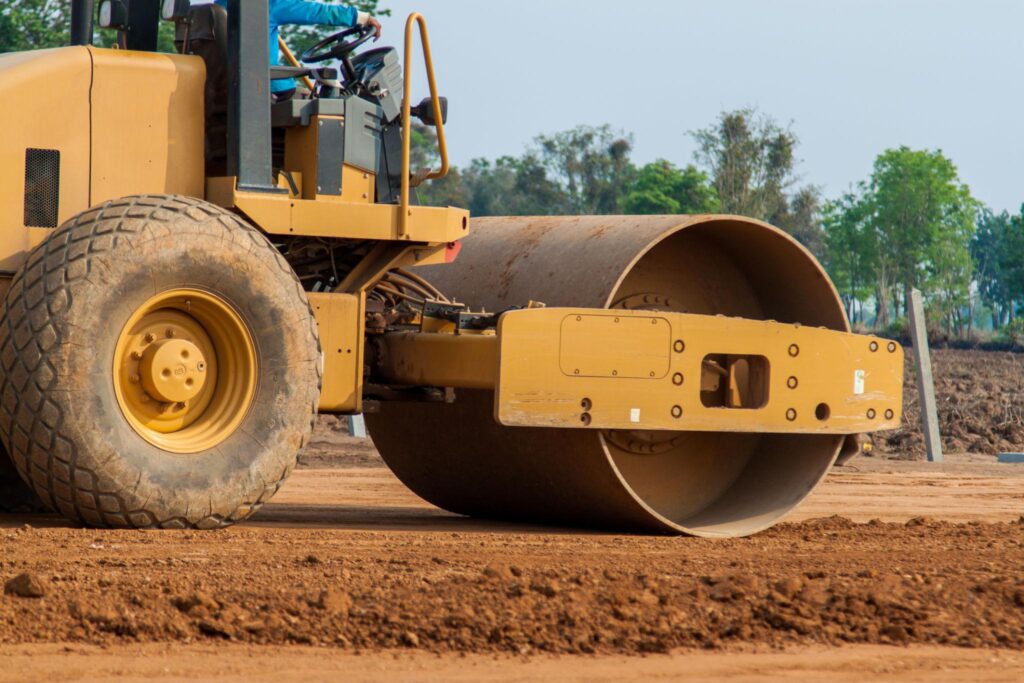
A road roller, also known as a roller compactor, is a heavy construction machine designed to compact materials such as soil, gravel, sand, or asphalt. By compressing these materials, the machine removes air pockets and increases density, creating a solid and stable surface that can withstand heavy traffic and environmental conditions.
From large highway projects to small residential construction sites, road rollers play a crucial role in ensuring quality, safety, and durability in construction projects.
What Is a Road Roller?
A road roller is a construction machine used to compress and level materials during the building of roads, foundations, and other structures. The machine uses its heavy weight and sometimes vibration technology to compact loose materials.
The main purpose of compaction is to increase the density and stability of the ground or pavement. When materials like soil or asphalt are loose, they contain air spaces that can cause the surface to settle or crack over time. By compacting these materials, road rollers create a strong and stable foundation.
Road rollers are commonly used in:
- Road and highway construction
- Airport runway construction
- Parking lot paving
- Building foundations
- Landscaping projects
- Bridge and dam construction
Without proper compaction, even the best construction materials can fail, leading to cracks, potholes, and uneven surfaces.
How Road Rollers Work
Road rollers operate using a combination of weight, pressure, and vibration to compress materials effectively.
1. Weight-Based Compaction
The most basic compaction method comes from the heavy weight of the roller itself. The steel drum presses down on the surface, forcing particles closer together and removing air pockets.
Some road rollers can weigh several tons, allowing them to create significant pressure on the ground.
2. Vibratory Compaction
Many modern rollers use vibrating drums to improve the compaction process. The vibration shakes the material beneath the drum, helping particles settle more tightly together.
This method is particularly effective for compacting materials like:
- Gravel
- Sand
- Soil
- Asphalt
Vibratory rollers can achieve the same level of compaction in fewer passes, improving efficiency on construction sites.
3. Multiple Passes
Compaction is not completed in a single pass. Operators usually drive the roller over the same surface several times. Each pass increases the density of the material until the desired compaction level is reached.
This process ensures that the surface becomes strong, smooth, and ready for long-term use.
Main Types of Road Rollers
Different construction tasks require different types of rollers. Each type is designed for specific materials and working conditions.
Smooth Drum Roller

4
The smooth drum roller is the most commonly used type in road construction. It features one or two large steel drums that apply pressure evenly across the surface.
Smooth drum rollers are widely used for asphalt compaction and finishing work on highways and roads.
Key advantages:
- Produces smooth surfaces
- Excellent for asphalt paving
- Efficient for large road projects
Pneumatic Tire Roller

A pneumatic tire roller uses multiple rubber tires instead of steel drums. The tires apply pressure evenly while slightly flexing, which helps knead the material being compacted.
This kneading effect improves the bonding of asphalt layers and provides excellent surface sealing.
Common uses:
- Asphalt finishing
- Sealing road surfaces
- Compacting base layers
Vibratory Roller


4
A vibratory roller is equipped with a drum that vibrates while compacting materials. The vibration significantly increases compaction efficiency and allows the machine to handle tougher materials.
These rollers are commonly used in:
- Soil compaction
- Gravel compaction
- Highway construction projects
Vibratory rollers are especially effective for large-scale infrastructure projects where strong foundations are required.
Benefits of Road Rollers in Construction
Road rollers provide several key benefits that make them indispensable in construction projects.
Stronger Foundations
Proper compaction increases the strength and stability of the ground. This prevents structures from settling or shifting over time.
Longer-Lasting Roads
Well-compacted asphalt and soil reduce the risk of cracks, potholes, and surface damage. This increases the lifespan of roads and reduces maintenance costs.
Improved Safety
Smooth and stable road surfaces improve driving conditions and reduce the risk of accidents.
Increased Construction Efficiency
Road rollers allow construction teams to compact large areas quickly and efficiently, saving time and labor.
Professional Surface Finish
For asphalt paving, road rollers help create the smooth, polished finish required for high-quality roads.
Mini Road Rollers for Small Projects
In addition to large construction rollers, mini road rollers have become increasingly popular for smaller jobs.
Mini rollers are compact, lightweight machines designed for work in tight spaces where large equipment cannot operate easily.
They are ideal for:
- Sidewalk construction
- Landscaping projects
- Residential driveways
- Small road repairs
- Parking areas
Mini rollers offer excellent maneuverability while still delivering powerful compaction performance.
Modern Technology in Road Rollers
Today’s road rollers are more advanced than ever before. Manufacturers are constantly improving their designs to increase efficiency, safety, and operator comfort.
Modern features often include:
- Hydraulic control systems
- Fuel-efficient engines
- Adjustable vibration settings
- Operator-friendly cabins
- Advanced safety systems
Some machines even include intelligent compaction technology, which monitors soil density and adjusts vibration automatically to achieve optimal results.
Road Rollers and the Future of Infrastructure
As cities expand and transportation networks continue to grow, the demand for high-quality infrastructure will only increase. Road rollers will remain one of the most important machines in the construction industry.
From building highways and bridges to preparing foundations for buildings, these machines ensure that surfaces are strong enough to support modern transportation and development.
Without proper compaction, roads and structures would quickly deteriorate. Road rollers help guarantee the durability, reliability, and safety of infrastructure worldwide.
Road rollers are powerful machines that play a vital role in construction and infrastructure development. By compacting soil, gravel, and asphalt, they create strong and stable surfaces that support roads, buildings, and transportation systems.
With advancements in technology and the growing need for reliable infrastructure, road rollers will continue to be a cornerstone of construction projects around the world.
Whether it’s a massive highway project or a small residential driveway, the road roller ensures that the foundation is solid and built to last.